Venezuela Accuses US of “Military Aggression” After Explosions in Caracas
The Venezuelan government on Saturday strongly condemned what it described as a “military aggression” by the United States, accusing Washington of violating international law and threatening peace in the region.
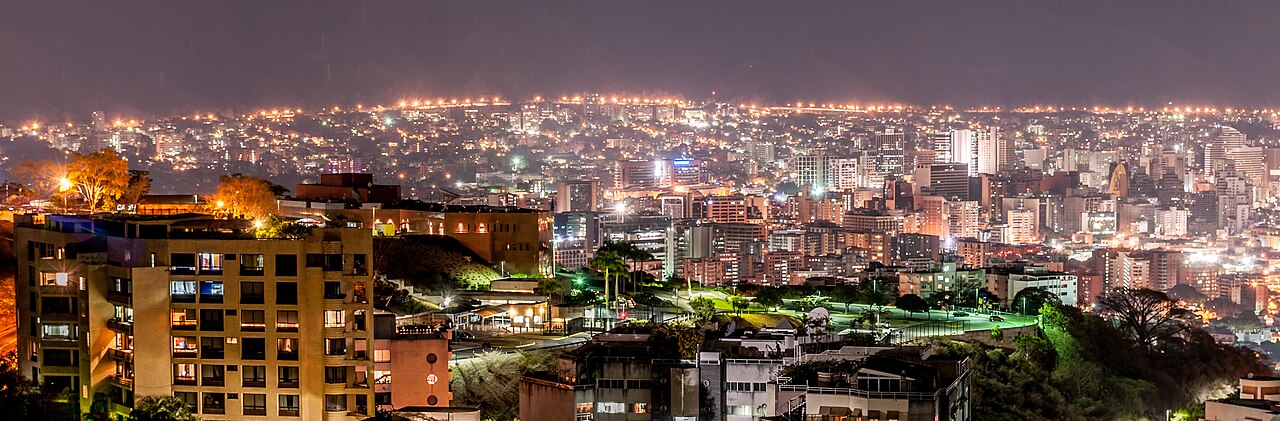
The allegations came after reports of loud explosions and power outages in Caracas triggered widespread panic.
In an official statement, Venezuela said the alleged attacks targeted both civilian and military locations across Caracas and the nearby states of Miranda, Aragua, and La Guaira.
The government claimed the actions breached the United Nations Charter and undermined Venezuela’s sovereignty.
Caracas Explosions Spark Alarm and Power Outages
Reports of multiple explosions early Saturday morning intensified concerns across the capital. According to CNN, residents heard loud blasts in several neighbourhoods around 1:50 am local time. Soon after, power cuts plunged parts of Caracas into darkness.
Witnesses described panic as booming sounds echoed through the city, with some residents reporting flashes of light in the sky. Social media users shared videos and accounts of the explosions, though authorities have not confirmed the cause.
At the time of reporting, officials had not provided details on casualties or physical damage. Venezuelan authorities also stopped short of confirming whether the blasts were linked to military activity, air operations, or external involvement.
Venezuela Alleges Violation of UN Charter
In its statement, the Venezuelan government accused the United States of breaching Articles 1 and 2 of the UN Charter, which protect state sovereignty and prohibit the use of force.
Caracas said the alleged attack represented a “flagrant violation” of international law.
The government claimed the actions aimed to destabilize Venezuela and seize its strategic resources, particularly oil and minerals. It also accused Washington of attempting to impose “regime change” and undermine the country’s political independence.
Venezuela stressed that it has defended its sovereignty for more than 200 years and would continue to resist foreign interference.
Maduro Orders National Defence Measures
President Nicolas Maduro ordered the immediate implementation of national defence plans under the Constitution and existing security laws.
The government announced a State of External Commotion across the country, granting authorities expanded powers to respond to perceived threats.
According to the statement, the Bolivarian National Armed Forces were deployed nationwide to safeguard sovereignty and public order. National defence command structures were also activated across states and municipalities.
The government said it would pursue diplomatic action by filing complaints before the UN Security Council, the UN Secretary-General, the Community of Latin American and Caribbean States (CELAC), and the Non-Aligned Movement.
Call for Mobilisation and International Solidarity
The Venezuelan leadership urged all political, social, and civic groups to reject what it called an “imperialist attack.” Invoking the legacy of independence leader Simon Bolivar, the government said Venezuelans would once again defend their nation’s freedom.
Citing Article 51 of the UN Charter, Venezuela asserted its right to legitimate self-defence to protect its people, territory, and independence. It also appealed to governments and citizens worldwide to express solidarity with Venezuela.
Regional and International Reactions
Former Colombian President Gustavo Petro reacted strongly to the developments, calling for an emergency meeting of the UN Security Council.
In a post on X, Petro said Colombia, as a Council member, must seek an immediate discussion to establish the legality of what he described as aggression against Venezuela.
The allegations come amid escalating tensions between Caracas and Washington, marked by sharp rhetoric and punitive economic measures.
Rising Tensions Between Washington and Caracas
US President Donald Trump has repeatedly accused President Maduro of leading what he calls a “narco-terrorist” government. The United States has imposed sanctions on vessels it claims transport Venezuelan oil and has stepped up actions against Venezuelan boats in the region, alleging links to drug trafficking.
Trump has also accused Venezuela of contributing to illegal migration into the US, making controversial claims about criminal activity linked to migrants.
He has publicly called on Maduro to step down, accusing his government of hostile actions against American interests.
In response, Maduro has accused the United States of seeking control over Venezuela’s oil resources. Last month, he said Trump had “gone mad” and vowed to defend Venezuela’s borders and sovereignty.
Venezuela Signals Openness to Limited Dialogue
Despite the sharp accusations, the Venezuelan government left the door open to dialogue on specific issues. Maduro said Caracas remains willing to engage with Washington on combating drug trafficking in the region.
“The US government knows that if they want to seriously discuss an agreement to fight drug trafficking, we are ready,” Maduro said, indicating conditional openness amid deepening diplomatic hostility.
ALSO READ: China Claims Role in India-Pakistan De-escalation, New Delhi Sources Reject Assertion