Quit Sugar for 14 Days: How It Heals Your Liver and Boosts Metabolic Health
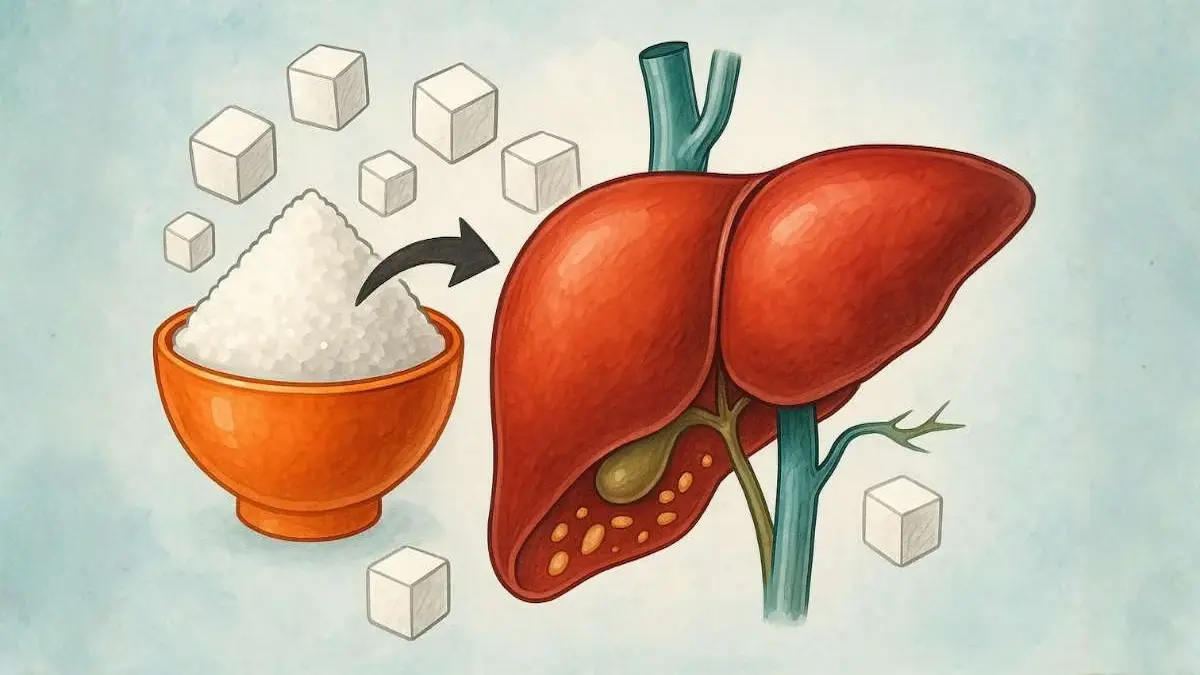
Most people know that excess sugar leads to weight gain. Fewer understand how deeply it harms the liver. According to experts the real issue lies with fructose, a common form of added sugar.
Fructose goes straight to the liver. Unlike glucose, it bypasses insulin regulation. The liver converts excess fructose into fat. Over time, this fat builds up inside liver cells and leads to non-alcoholic fatty liver disease (NAFLD). This condition now affects millions of people, including those who may not appear overweight.
The good news is simple. You don’t need extreme diets or fasting. Just quitting added sugar for 14 days can trigger visible metabolic improvements.
What Happens When You Quit Sugar for 14 Days?
Gastroenterologist Dr Saurabh Sethi says, the body responds to sugar withdrawal faster than most people expect. Changes start internally before they show on the scale.
Days 1–2: Liver Gets Immediate Relief
In the first two days, the liver receives less fructose. Fat production inside liver cells drops quickly. Insulin sensitivity begins to improve.
You may not lose weight yet. Still, crucial metabolic repair starts early. The liver works more efficiently because it no longer processes constant sugar spikes.
Some people experience mild cravings or fatigue. These symptoms usually fade fast.
Days 3–7: Inflammation Starts to Fall
During the first week, liver metabolism improves further. The hepatic sugar load reduces significantly. Inflammatory signals linked to insulin resistance begin to decline.
Many people notice steadier energy levels. Sugar crashes reduce. Hunger becomes easier to manage.
Blood reports may still look normal at this stage. However, internal liver chemistry already shifts in a healthier direction.
Days 8–14: Visible Metabolic Improvements
The second week brings clearer benefits. Triglyceride levels start to drop. Fasting blood glucose improves. Abdominal bloating reduces.
Visceral fat signalling decreases, which matters more than weight loss alone. The liver exports less fat into the bloodstream. This change lowers long-term cardiovascular and metabolic risk.
People often report better digestion, fewer cravings, and improved mental clarity by this stage.
Why Fructose Is the Real Problem
Fructose behaves differently from other carbohydrates. It skips insulin checkpoints and overloads the liver. Excess amounts convert directly into fat.
This explains why cutting added sugar works even without reducing calories. The liver gets relief, not deprivation.
Dr Sethi stresses that quitting sugar does not mean avoiding fruits. Whole fruits contain fibre, antioxidants, and natural sugars that do not overload the liver.
Added Sugar Sources You Must Avoid
To see results in 14 days, eliminate these common sources of added sugar:
- Sweetened drinks and packaged juices
- Flavoured yoghurt
- Breakfast cereals and energy bars
- Sauces, ketchup, and salad dressings
- Cakes, cookies, and pastries
- Sweetened alcohol and mixers
- Reading labels becomes essential. Many “healthy” foods hide sugar under different names.
Who Benefits the Most from Quitting Sugar?
Dr Sethi strongly recommends sugar reduction for people who have:
- Fatty liver disease
- High triglycerides
- Insulin resistance
- Abdominal obesity
- Frequent sugar cravings
- Persistent low energy
- Even people without diagnosed illness gain better metabolic control and long-term protection.