Processed Foods with Preservatives Linked to Higher Cancer Risk, Study Finds
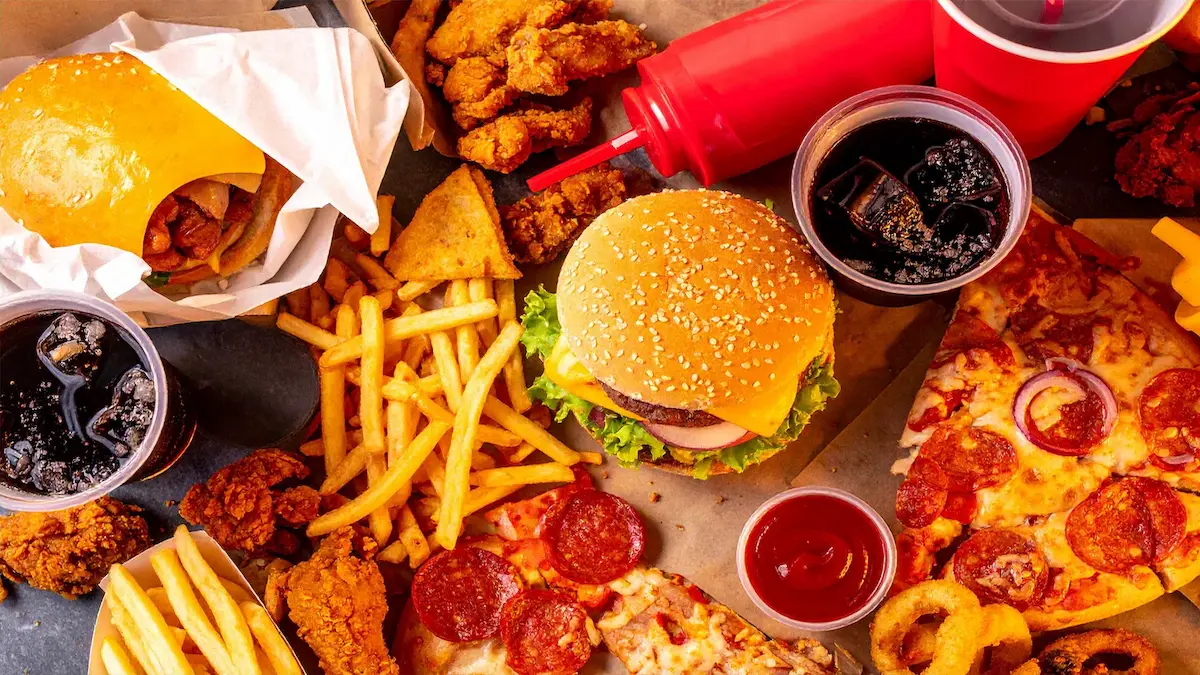
People who regularly consume industrially processed foods and beverages may face a higher risk of developing cancer, according to a major new study. The research, published in The British Medical Journal, suggests that certain commonly used food preservatives could contribute to this increased risk when consumed in large amounts over time.
The study adds to growing concerns about the long-term health effects of heavily processed diets, especially those rich in packaged and preserved products.
Preservatives Under the Spotlight
Researchers focused on preservatives widely used to extend shelf life and prevent microbial growth in foods. The study linked higher intake of several non-antioxidant preservatives with an elevated cancer risk. These included potassium sorbate, potassium metabisulfite, sodium nitrite, potassium nitrate, and acetic acid.
People who consumed higher quantities of these additives showed a greater likelihood of developing cancer compared to those who consumed little or none of them. The findings suggest that frequent exposure to such substances through daily food choices may have cumulative health consequences.
Inside the Study
The research team tracked the dietary habits and health outcomes of more than 105,000 adults who did not have cancer at the start of the study. Over the follow-up period, more than 4,200 participants received a cancer diagnosis.
By analyzing food intake data, the researchers identified patterns linking high preservative consumption with increased cancer incidence. They adjusted their analysis for lifestyle factors such as age, smoking, physical activity, and overall diet quality to strengthen the reliability of the results.
Why Preservatives Raise Concerns
Food manufacturers rely on preservatives to maintain freshness, improve safety, and reduce food waste. However, some of these chemicals may trigger biological changes in the body when consumed frequently. Experts believe that certain preservatives can form harmful compounds or promote inflammation, which may contribute to cancer development over time.
The study highlights that while preservatives serve a practical purpose, their widespread use in modern diets deserves closer examination, particularly as consumption of ultra-processed foods continues to rise globally.
Implications for Food Safety Policies
Researchers say their findings could help regulatory agencies reassess the safety limits of commonly used food additives. Authorities may need to balance the benefits of food preservation with potential long-term health risks.
The authors also stressed the importance of continued scientific investigation. Larger and longer-term studies could clarify how specific preservatives affect cancer risk and whether certain population groups face greater vulnerability.
What This Means for Consumers
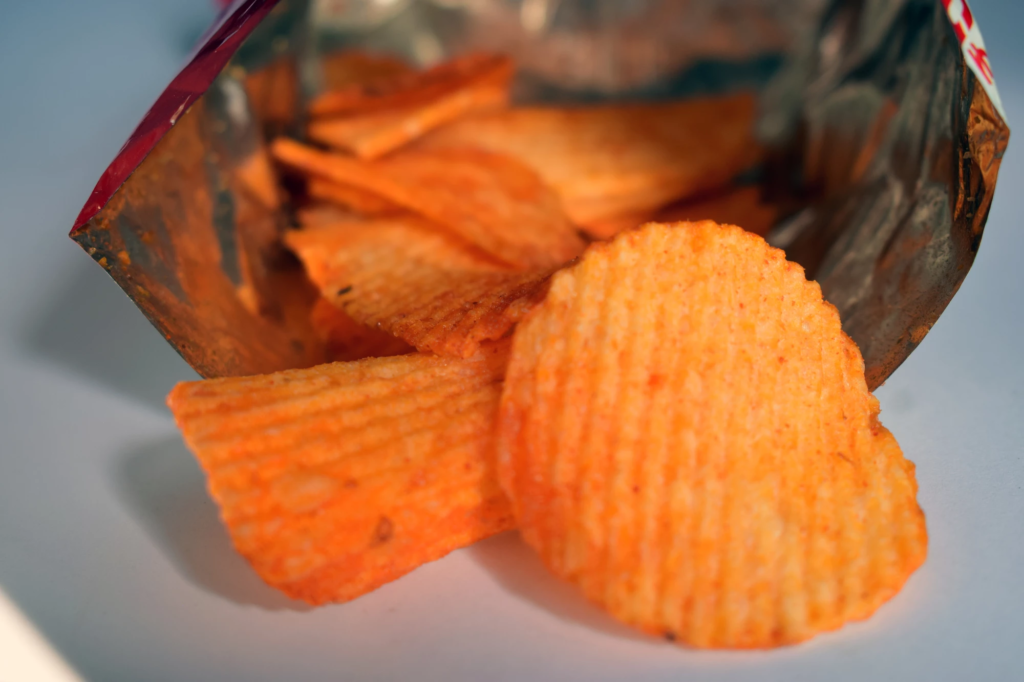
Health experts continue to advise limiting the intake of processed foods, especially processed meats and packaged snacks. Choosing fresh, minimally processed foods can help reduce exposure to preservatives and support overall health.
Simple steps such as reading ingredient labels, cooking more meals at home, and prioritizing fruits, vegetables, whole grains, and lean proteins can make a meaningful difference.