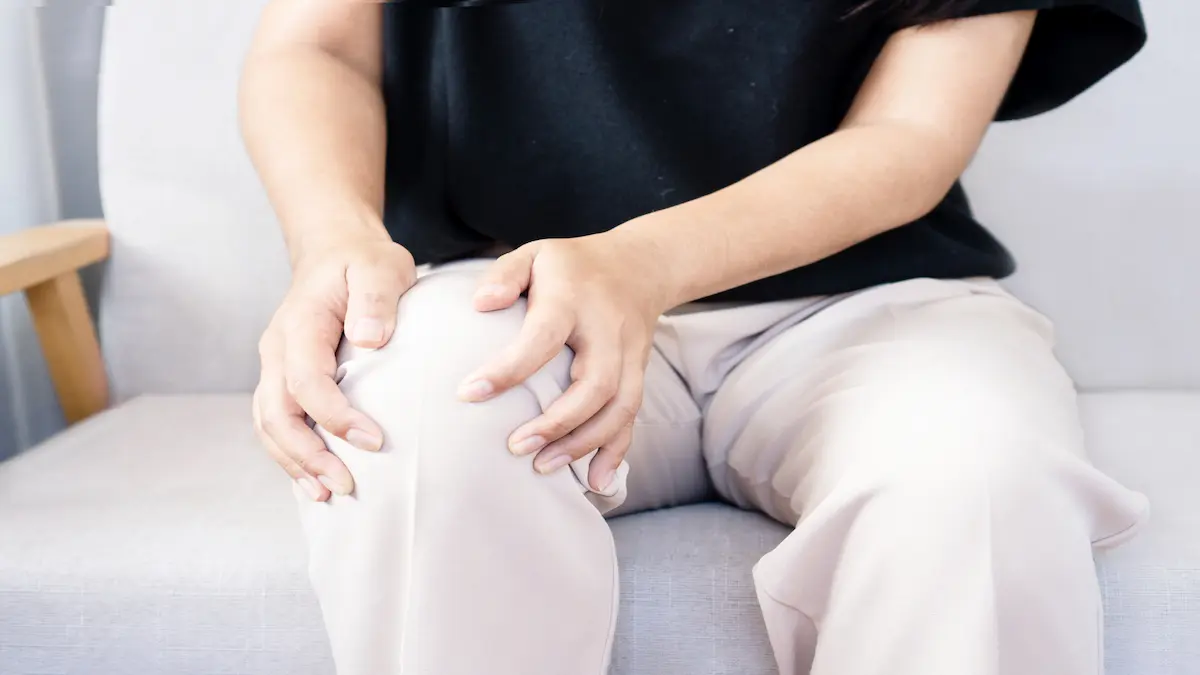
Menopause Can Weaken Bones Without Warning
From the beginning of menstruation to the transition into menopause, a woman’s body undergoes constant hormonal and physical change. While many of these shifts are expected and openly discussed, some occur quietly and often go unnoticed. One such change is the gradual weakening of bones after menopause. This invisible process can lead to osteoporosis—a condition that develops silently but carries serious consequences.
Menopause marks the natural end of a woman’s reproductive years, but it also signals the start of a new phase of health challenges. Among these, bone loss stands out as one of the most critical yet underestimated risks. Without awareness and timely care, it can affect mobility, independence, and overall quality of life.
Menopause and osteoporosis
Osteoporosis is a medical condition in which bones lose density and strength, becoming thin and fragile. In this state, even a minor fall, sudden movement, coughing, or bending can result in fractures. The hip, wrist, and spine are the most commonly affected areas. Women lose up to 10% of bone density in the five years after their menopause.
What makes osteoporosis especially dangerous is its silent nature. Most women do not experience pain or visible symptoms while bone density gradually declines. In many cases, the condition comes to light only after a fracture occurs. This delayed detection is the reason osteoporosis is often referred to as a “silent disease.”
The Crucial Role of Estrogen in Bone Strength
Bone health depends on a continuous process called bone remodeling. In this process, old bone tissue breaks down and new bone forms, keeping the skeleton strong and balanced. The hormone estrogen plays a key role in regulating this cycle.
During menopause, estrogen levels fall sharply. As a result, bone breakdown begins to outpace bone formation. This imbalance leads to rapid bone loss, especially in the first five to ten years after menopause. Women can lose a significant percentage of their bone mass during this period if preventive steps are not taken.
Warning Signs and Common Risk Factors
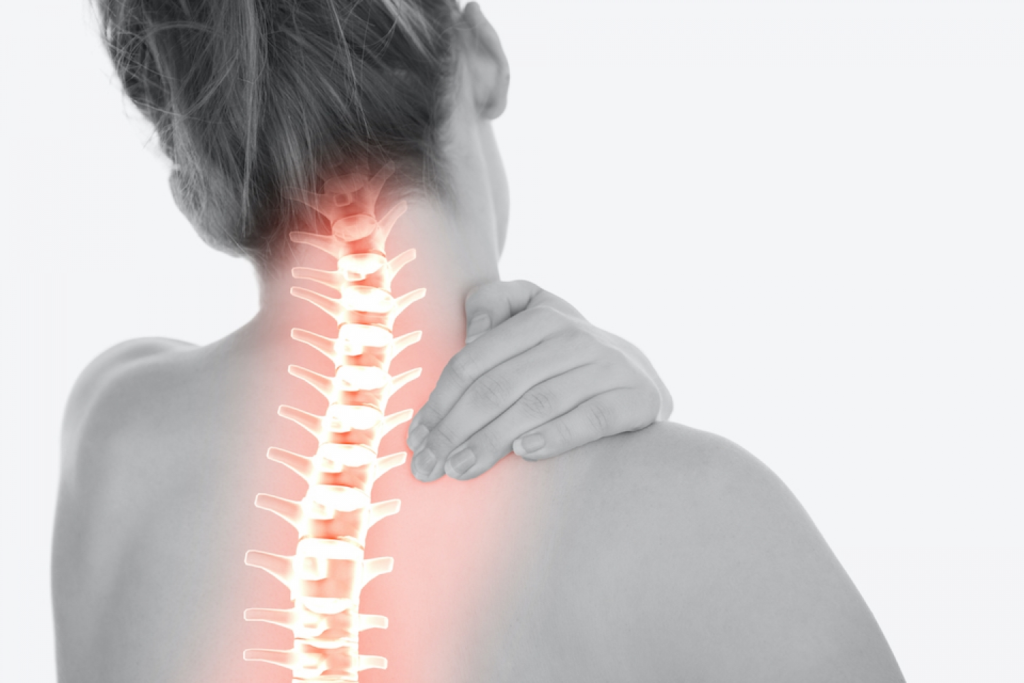
Osteoporosis rarely causes early symptoms, but advanced bone loss may show subtle physical changes, such as gradual loss of height and chronic back pain due to spinal compression.
Several factors increase the risk of developing osteoporosis. Some are biological, while others relate to lifestyle choices.
Major Risk Factors Include
- Menopause and increasing age
- Family history of osteoporosis or hip fractures
- Higher vulnerability among women of Asian and Caucasian origin
- Low body weight or poor nutrition
- Smoking and excessive alcohol intake
- Deficiency of calcium and vitamin D
- Lack of physical activity
- Long-term use of corticosteroids
- Medical conditions such as hyperthyroidism
Early Menopause or Surgical Menopause
Women who experience menopause early or undergo removal of the ovaries lose estrogen sooner, increasing long-term bone risk.
Protecting Bone Health After Menopause
The good news is that osteoporosis is preventable and manageable with the right approach. Active self-care, lifestyle changes, and medical guidance can slow bone loss and reduce fracture risk.
Nutrition: Building Strong Bones
Calcium: Women should consume 1,000–1,200 mg daily through dairy products, leafy greens, nuts, or supplements.
Vitamin D: A daily intake of 800–1,000 IU supports calcium absorption. Sunlight exposure, fatty fish, and supplements help meet this need.
Exercise: Movement Matters
Weight: bearing and muscle-strengthening exercises play a crucial role in maintaining bone
density. Activities such as walking, jogging, climbing stairs, resistance training, and yoga help keep bones strong and improve balance.
Healthy Lifestyle
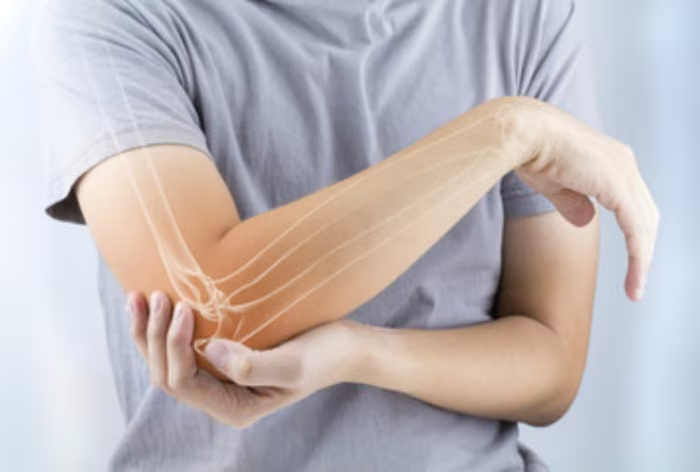
Quitting smoking and limiting alcohol intake protect both bone and overall health. Maintaining a healthy body weight and staying physically active also reduce fracture risk.
Fall Prevention at Home
- Keep floors clutter-free
- Use non-slip mats
- Ensure good lighting
- Install handrails where needed
Early Awareness Makes the Difference
Bone health should not be an afterthought during menopause. Regular health check-ups, bone density screenings, and open conversations with doctors help detect bone loss early. With timely action, women can preserve their strength, independence, and mobility well into later life.
Menopause may mark the end of one chapter, but it also opens the door to informed self-care and renewed focus on long-term health. By understanding osteoporosis and taking proactive steps, women can protect their bones and continue to lead active, confident lives long after menopause.