NTA Eyes Facial Recognition to Curb Impersonation in Entrance Exams
The National Testing Agency (NTA) is preparing to strengthen security at examination centres by introducing facial recognition technology for candidates appearing in its entrance tests. According to a senior official in the Education Ministry, the system could be rolled out as early as the upcoming JEE Main examination scheduled in January.
The proposed move is part of a broader effort to address concerns over impersonation and identity fraud in high-stakes national examinations. With millions of candidates appearing for NTA-conducted tests each year, authorities are increasingly turning to technology-based solutions to ensure fairness and credibility.
Facial Recognition Seen as a New Layer of Exam Security
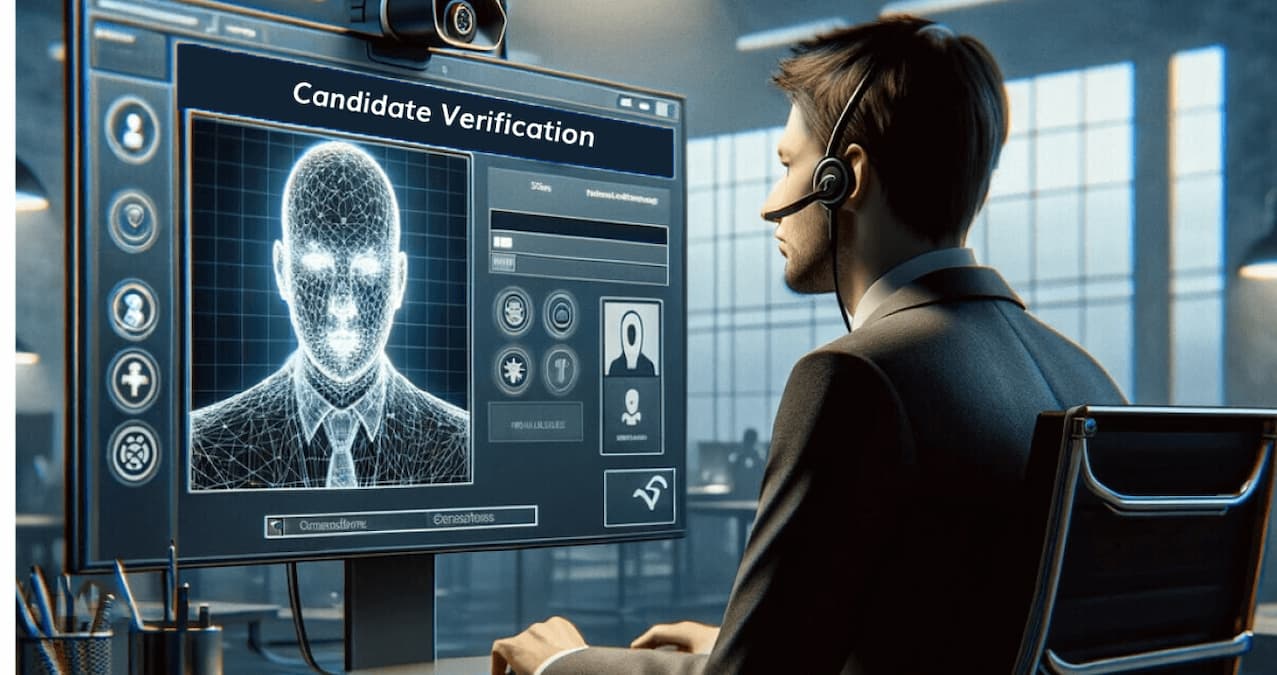
Facial recognition is expected to act as an additional verification layer at exam centres. Officials believe it can significantly reduce the risk of proxy candidates and organised cheating networks that exploit loopholes in manual identity checks.
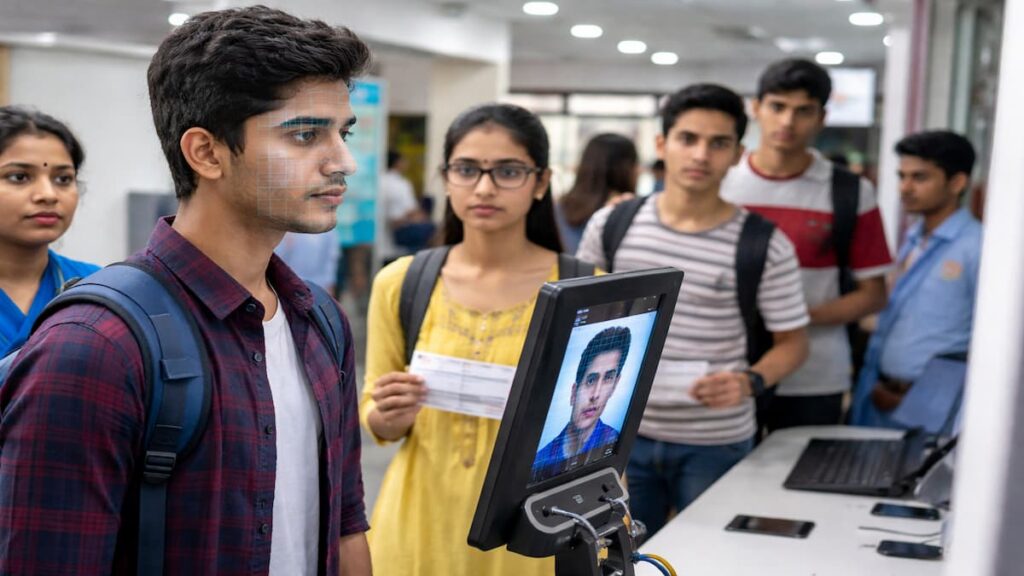
Under the proposed system, a candidate’s facial data captured at the examination centre would be matched with official records submitted during the application process. Any mismatch could immediately alert invigilators, allowing swift action.
While the exact operational model is yet to be finalised, sources indicate that the technology may be used alongside existing verification methods rather than replacing them entirely.
NEET-UG Pilot Offered Proof of Concept
The idea of using facial recognition is not entirely new. Earlier this year, the Unique Identification Authority of India (UIDAI) conducted Aadhaar-based face authentication during the NEET-UG examination held in May.
The initiative was carried out as a limited pilot at select examination centres in Delhi. It involved verifying candidates’ identities using facial authentication linked to Aadhaar data. Officials later described the exercise as a “proof of concept”.
A press note of Ministry of Electronics and Information Technology stated that the results demonstrated the technology’s future potential. It noted that facial authentication could play a meaningful role in curbing impersonation attempts during competitive examinations.
Encouraged by this experience, policymakers are now considering wider implementation across NTA-conducted tests.
Aadhaar Authentication Already Underway
The NTA has already taken steps that signal deeper integration of Aadhaar-based verification. In a public notice issued in September, candidates planning to appear for JEE (Main) 2026 were advised to ensure their Aadhaar details are fully updated.
The notice specifically asked aspirants to verify the accuracy of their name, date of birth, photograph, address, and father’s name. Officials said accurate Aadhaar data would be essential for smoother authentication processes.
The NTA confirmed that it would obtain candidate details such as name, date of birth, photograph, and address directly from UIDAI through Aadhaar authentication. This move is expected to reduce discrepancies between application records and identity documents.
Expert Panel Had Recommended Biometric Measures
The push for enhanced security is also backed by expert recommendations. A high-level committee chaired by former ISRO chairman K Radhakrishnan had submitted a report last year.
The committee recommended stronger safeguards to protect the integrity of national exams. Among its suggestions was the use of biometric authentication, including facial recognition, to prevent impersonation and malpractice.
Officials say the current proposal aligns closely with these recommendations and reflects the government’s intent to modernise examination systems.
What This Means for Students
If implemented, facial recognition is likely to change the exam-day experience for candidates. While it may improve fairness, it also places greater responsibility on students to ensure their identity records are accurate.
Authorities have indicated that data security and privacy safeguards will be critical. Any rollout will require clear protocols on data usage and access to avoid misuse.
For now, students are being advised to keep their Aadhaar information updated and watch for official notifications. As entrance exams become technology-driven, accurate documentation may prove as important as preparation itself.