Kerala Updates KTET Norms in Line With Supreme Court Directions
The Kerala government has issued fresh guidelines related to the Kerala Teachers’ Eligibility Test (KTET) for appointments and promotions in government and aided schools. The move follows recent Supreme Court judgments that reaffirm the mandatory nature of Teachers’ Eligibility Tests for school teachers across the country.
The revised norms aim to remove ambiguity around eligibility conditions and bring Kerala’s recruitment and promotion process in line with constitutional and legal requirements.
Supreme Court Judgments Shape New Rules
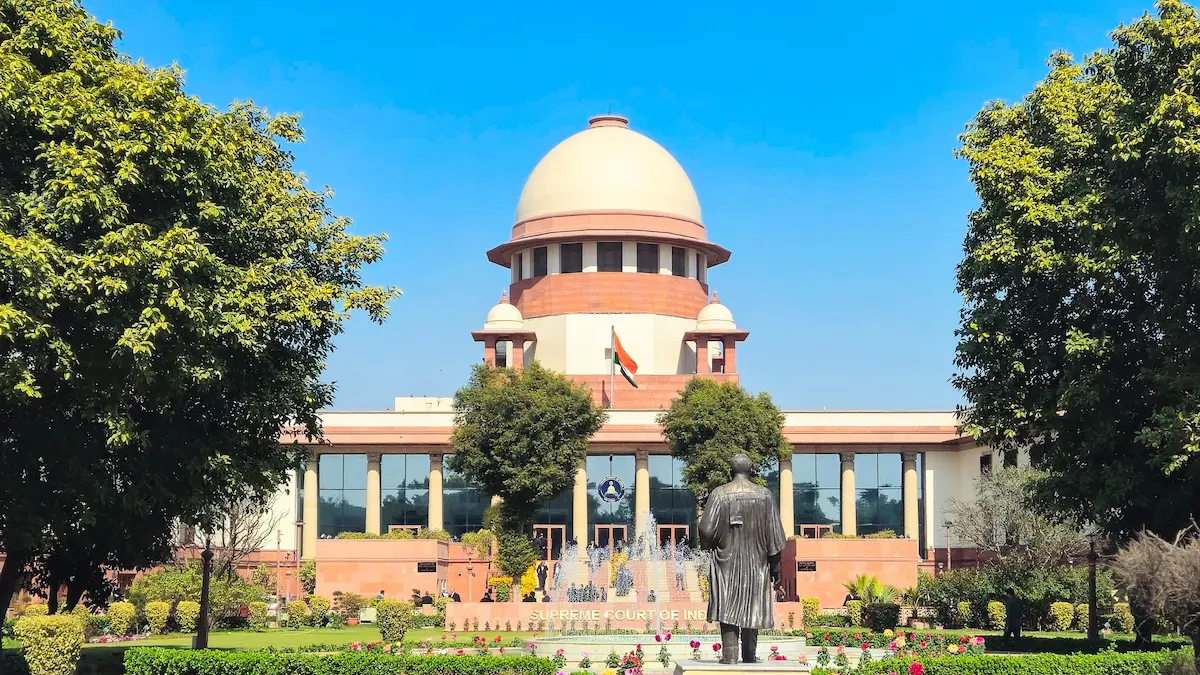
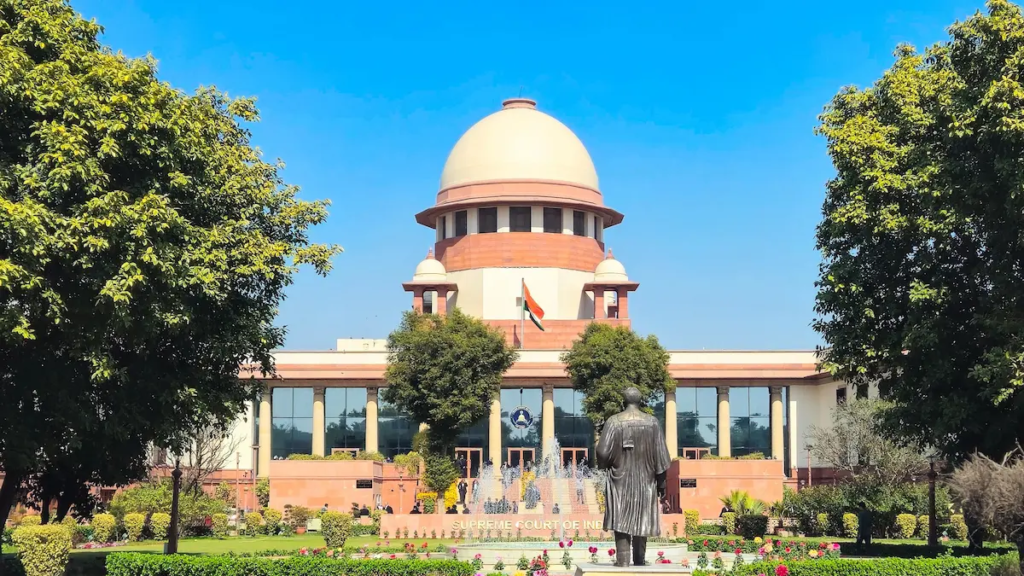
The decision stems from a Supreme Court judgment dated August 7, 2023, followed by another ruling on September 1, 2025, in Writ Petition No. 1385/2025 and related civil appeals. These judgments underlined that clearing a Teachers’ Eligibility Test is essential for school teacher appointments, regardless of additional academic qualifications.
In response, the Kerala government sought clarification from the Director of General Education and conducted a detailed review before finalising the updated guidelines.
Eligibility for Primary and Upper Primary Teachers
Under the new framework, candidates who have qualified in KTET Category I or Category II will continue to be eligible for appointment as Lower Primary (LP) and Upper Primary (UP) school teachers. This maintains continuity for aspiring primary-level educators and avoids disruption in existing recruitment pipelines.
The government clarified that this eligibility remains unchanged despite the broader tightening of norms.
Clear Distinction for High School Teacher Posts
The revised guidelines draw a sharper distinction for High School Teacher appointments. Candidates who have passed KTET Category III will now be considered only for High School Teacher posts.
In addition, language teachers at the high school level must hold both KTET Category III and Category IV qualifications. This change ensures subject-specific competence along with pedagogical eligibility.
Withdrawal of KTET Exemptions
One of the most significant changes involves the removal of earlier exemptions from KTET. Previously, candidates holding higher qualifications such as SET, NET, MPhil, PhD, or MEd enjoyed relaxation from clearing KTET.
Under the new rules, these candidates must also qualify in the relevant KTET category to be considered for appointment or promotion. The government stated that higher academic credentials cannot substitute for eligibility tests mandated by law.
Promotion Rules Tightened for Senior Positions
For promotions, the government has introduced stricter eligibility conditions. Only serving High School Teachers who possess KTET Category III qualification will now be eligible for promotion as Headmasters.
The same rule will apply to by-transfer appointments to Higher Secondary School Teacher (HSST) and HSST (Junior) posts. This move ensures uniform standards across teaching hierarchies and reinforces the importance of eligibility testing at every stage.
CTET Exemptions Remain Intact
While KTET exemptions have been withdrawn, the government has clarified that existing provisions for Central Teachers’ Eligibility Test (CTET) candidates will continue.
Candidates who have cleared the CTET Primary Stage can still apply for LP teacher posts, while those with CTET Elementary Stage qualifications remain eligible for UP teacher appointments. This decision ensures alignment with national-level eligibility norms.
No Change in Principal Promotion Procedure
The government confirmed that the current procedure for promotion to the post of Higher Secondary School Principal will remain unchanged. This clarification addresses concerns raised by senior educators regarding administrative continuity.
Government’s Stand and Future Course
Earlier, General Education Minister V Sivankutty had indicated that the state might seek further clarity from the Supreme Court through a review petition. He noted that education falls under the Concurrent List and argued that the Union government should consider fresh legislation to address concerns arising from the verdict.
The state government has now clarified that the revised KTET guidelines will remain in force for the time being. However, they will be subject to the final outcome of the review petition currently pending before the Supreme Court.