Is Smog Ageing Your Skin? 5 Warning Signs You Shouldn’t Ignore
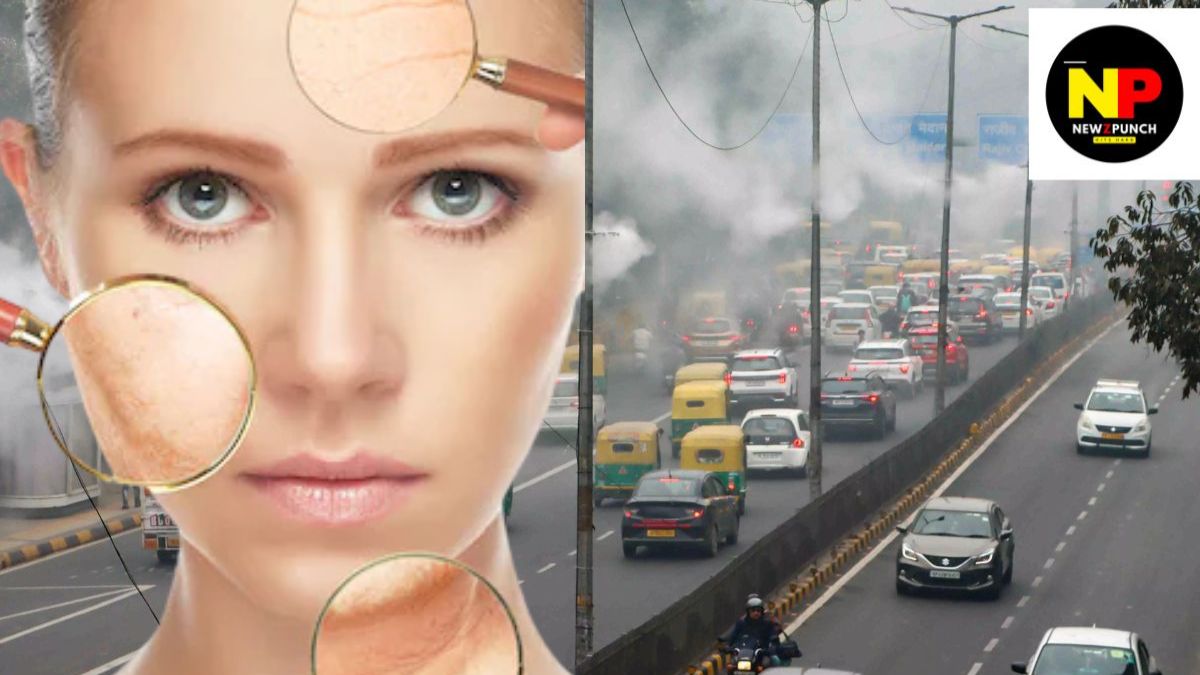
City life has its own rhythm—fast, ambitious and endlessly demanding. But hidden beneath the hustle is an invisible aggressor quietly affecting your skin every single day: smog. Air pollution is no longer just a respiratory concern. Dermatologists now agree it plays a major role in premature skin ageing. If you live in an urban environment, your skin may be ageing faster than your years suggest. Here are five subtle yet telling signs that smog could be accelerating the clock on your skin.
1. Your Skin Looks Dull Even After Proper Care
One of the earliest signs of pollution-induced ageing is persistent dullness. Despite cleansing, moisturising and even using serums, your skin lacks its natural glow. Smog particles settle on the skin’s surface and penetrate pores, creating a thin layer of grime that blocks light reflection. Over time, this disrupts the skin’s renewal cycle, making it appear tired and lifeless. The glow fades not because your routine is wrong, but because pollution constantly interferes with skin oxygenation.
2. Fine Lines Are Appearing Earlier Than Expected
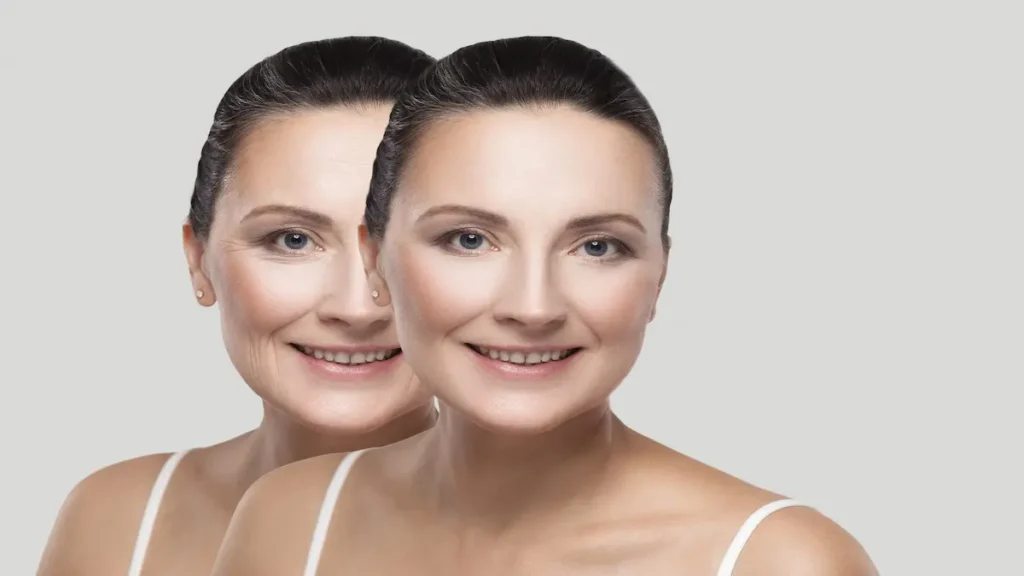
If you are noticing fine lines around your eyes or mouth sooner than anticipated, smog may be a key culprit. Pollution generates free radicals—unstable molecules that damage collagen and elastin. These proteins are responsible for skin firmness and elasticity. When they break down prematurely, the skin loses its ability to bounce back, leading to early wrinkles. The process is gradual, but once visible, it becomes difficult to reverse without targeted care.
3. Uneven Skin Tone and Dark Spots Are Increasing
Hyperpigmentation is another common sign of pollution-related ageing. Smog triggers low-grade inflammation in the skin, which stimulates excess melanin production. This results in dark spots, patches and an uneven complexion. Many people mistake this for sun damage alone, but pollution amplifies UV effects, making pigmentation deeper and more stubborn. Even minimal sun exposure can cause visible marks when combined with polluted air.
4. Your Skin Feels Rough or Dehydrated Despite Moisturiser
Pollution weakens the skin’s natural barrier. This barrier is responsible for locking in moisture and keeping irritants out. When damaged by pollutants, the skin loses water more rapidly. The result is dryness, tightness and a rough texture, even when you apply moisturiser regularly. Over time, chronic dehydration makes fine lines more prominent and reduces the skin’s resilience, a classic marker of premature ageing.
5. Increased Sensitivity and Frequent Breakouts
Ageing skin is not always about wrinkles. Increased sensitivity is a major warning sign. Smog particles can disrupt the skin’s microbiome—the balance of healthy bacteria that protect against inflammation. This leads to redness, itching and sudden breakouts. Adult acne triggered by pollution is often more inflammatory and slower to heal. Repeated inflammation accelerates ageing by damaging skin cells at a deeper level.

Why Smog Ages Skin Faster Than Time Alone
Unlike natural ageing, pollution-induced ageing is aggressive and continuous. Your skin is exposed daily, often without adequate protection. Smog combines particulate matter, heavy metals and toxic gases, all of which settle on the skin and enter through pores. Over time, this constant assault overwhelms the skin’s repair mechanisms, making it age faster than it should biologically.
How to Slow Down the Damage
While you cannot eliminate pollution, you can reduce its impact. Gentle but thorough cleansing, antioxidant-rich skincare, daily sunscreen and barrier-repairing moisturisers are essential. Washing your face after returning home and avoiding harsh scrubs also helps prevent micro-damage. Most importantly, consistency matters more than complexity.
The Takeaway
If your skin looks older than your age, smog may be silently responsible. Dullness, early lines, pigmentation, dryness and sensitivity are not random changes. They are warning signals. Recognising these signs early allows you to protect your skin better and slow the ageing process before it becomes irreversible. In polluted cities, skincare is no longer cosmetic—it is preventive care.