Indore Water Contamination Tragedy: Sewage-Mixed Supply Claims Lives, NHRC Seeks Report
A serious public health crisis has unfolded in Indore, where sewage mixed with drinking water in the Bhagirathpura area has resulted in multiple deaths and widespread illness. The incident has raised sharp uestions about civic oversight in a city celebrated nationally for cleanliness and urban governance.
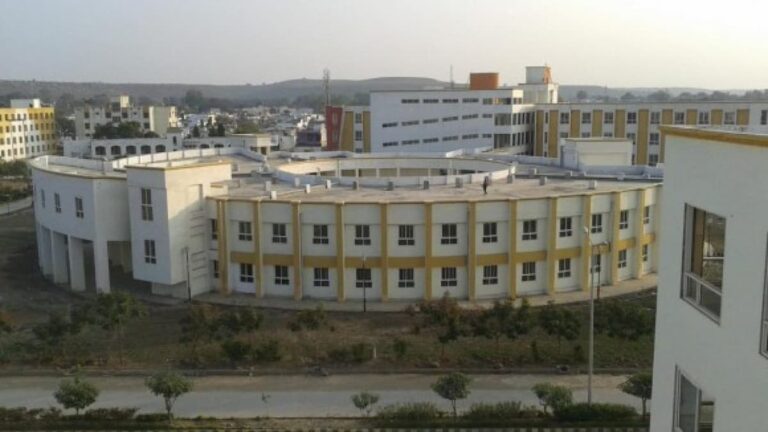
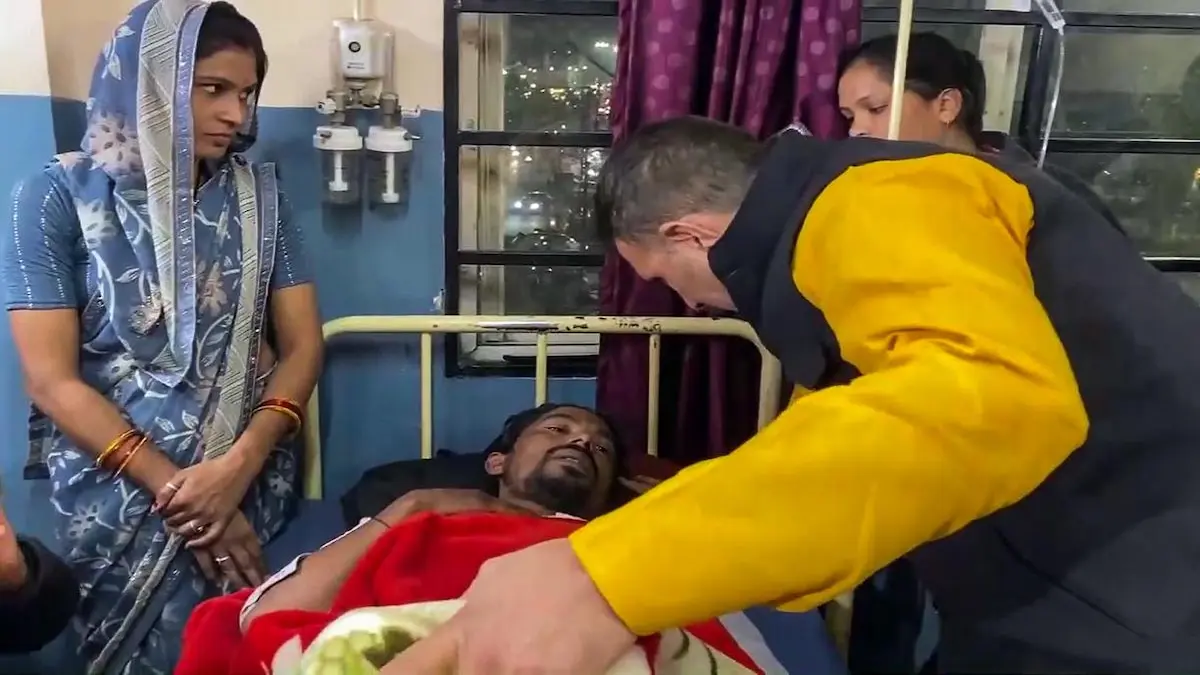
According to official assessments, at least eight people have lost their lives, while hundreds have reported symptoms linked to contaminated water. More than 200 residents required hospital treatment, and many others received outpatient care.
What Triggered the Contamination?
Preliminary investigations point to a critical lapse in infrastructure safety. Authorities found that a toilet had been constructed directly above a main drinking water pipeline near a police outpost. The structure lacked a mandatory safety tank. As a result, sewage seeped into the potable water line and spread contamination across the locality.
Residents had noticed early warning signs. Many complained of a foul smell and unusual taste in the water. Some even described a burning sensation after use. Despite repeated complaints, corrective action did not begin until reports of deaths surfaced on December 29, 2025.
Scale of the Health Impact
Health officials initially linked four deaths to the contaminated supply. Subsequent assessments raised the toll to eight. Over 1,400 residents reported illness, with more than 149 admitted to hospitals for observation and treatment.
Doctors treated patients for symptoms such as vomiting, diarrhea, dehydration, and severe stomach infections. Hospitals in the area increased staffing and supplies to handle the surge of cases.
NHRC Steps In
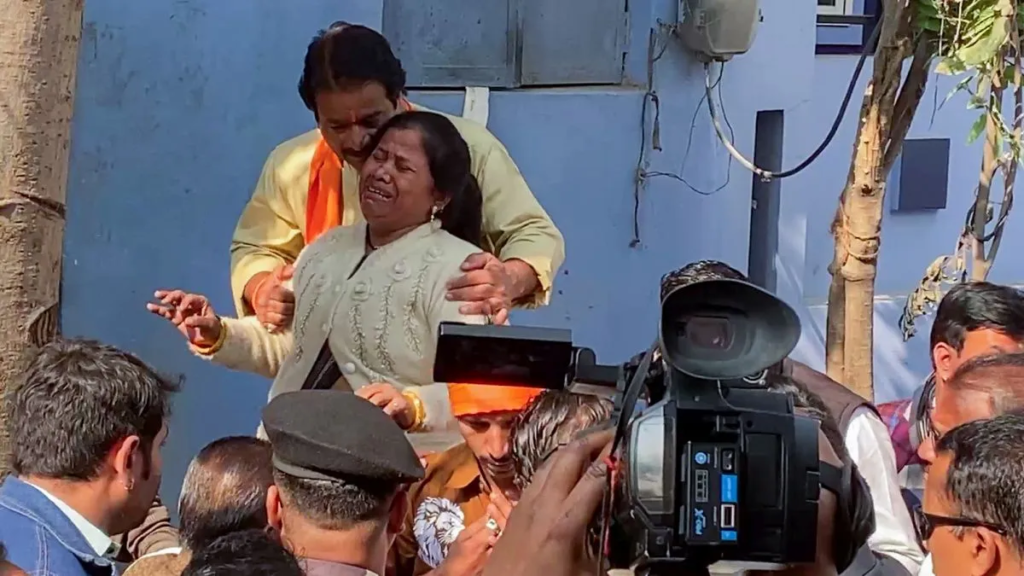
Taking suo motu cognisance of media reports, the National Human Rights Commission issued a notice to the Madhya Pradesh government. The Commission said the incident raises serious concerns about violations of the victims’ human rights, particularly the right to safe drinking water.
The NHRC has asked the state government to submit a detailed report within two weeks, outlining causes, accountability, and remedial measures.
State Government Response
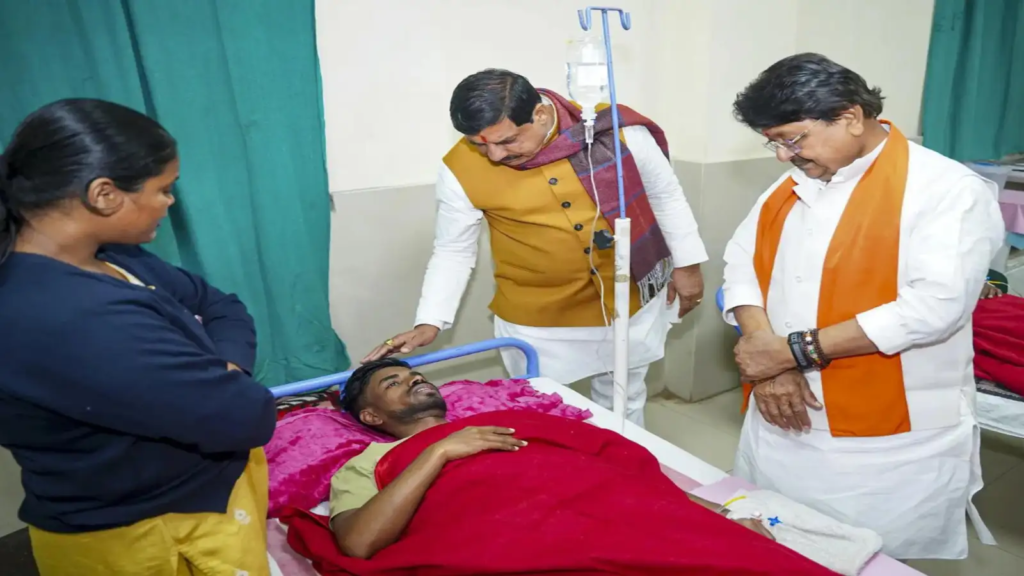
Chief Minister Mohan Yadav expressed grief over the deaths and announced compensation of ₹2 lakh for each bereaved family. He also assured that the state would cover the full cost of medical treatment for all affected residents.
The government formed a three-member committee led by IAS officers to investigate the incident and identify lapses. The committee will examine construction permissions, pipeline safety, and complaint redressal failures.
Administrative Action Taken
City officials initiated disciplinary measures against staff responsible for water supply oversight. Authorities suspended the Assistant Engineer handling the water supply. They removed the sub-engineer from duty and suspended the zonal officer for failing to ensure coordination and safety checks.
Senior officials rejected allegations of total inaction. The Additional Commissioner stated that repair work had taken place in phases under the AMRUT 2.0 scheme. He added that delays in tender execution stemmed from concerns over financial irregularities, not neglect.
A Clean City Faces a Crisis
Indore has topped India’s cleanliness rankings for eight consecutive years and received the Swachh Survekshan 2024–25 awards. The current crisis has shocked residents and observers alike. Many locals say the incident exposes gaps between awards and ground realities.
Public health experts stress that cities must treat water safety as non-negotiable. Regular audits, strict construction norms near pipelines, and rapid response to citizen complaints remain essential to prevent such disasters.
The Road Ahead
Authorities have begun flushing pipelines, supplying clean water through tankers, and monitoring water quality daily. Yet, trust will take time to rebuild. Families affected by the tragedy demand accountability and long-term safeguards.
As investigations continue and the NHRC awaits a detailed report, the Indore water contamination case stands as a stark reminder: urban success means little without safe basics like clean drinking water.