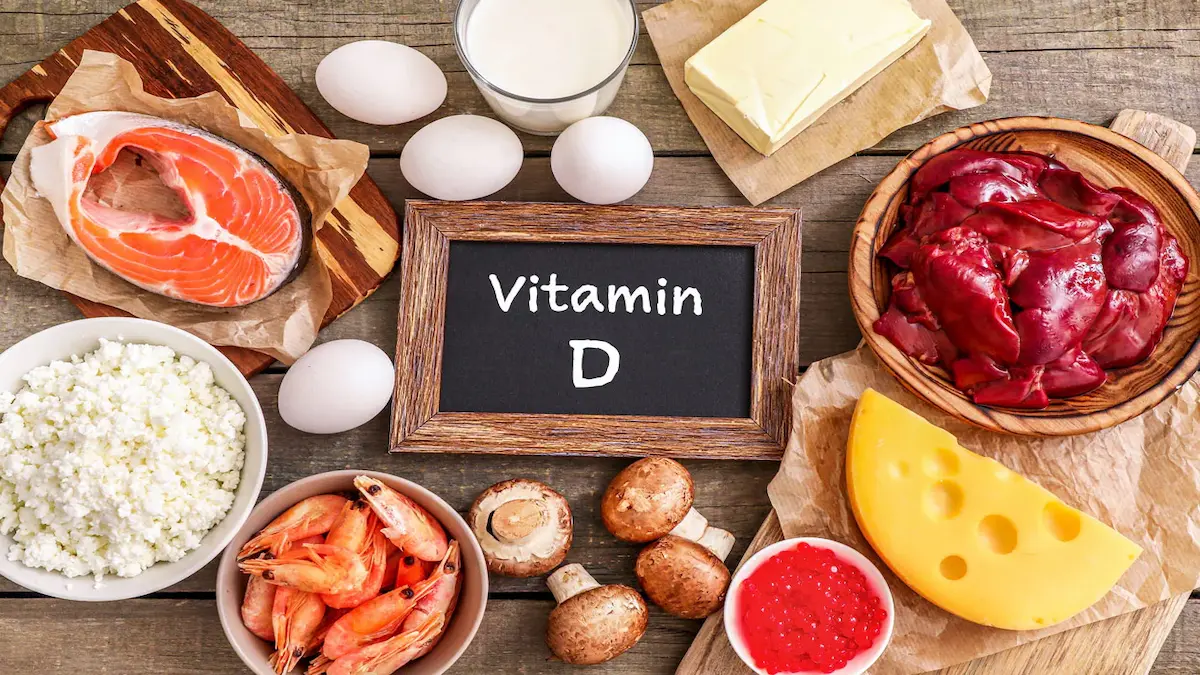
5 Foods That Help Increase Vitamin D Levels Naturally
Vitamin D plays a crucial role in keeping the body healthy. It supports strong bones, boosts immunity, improves muscle function, and even affects mood and energy levels.
Despite its importance, vitamin D deficiency has become very common due to limited sun exposure, indoor lifestyles, and dietary gaps.
ALSO READ: Five Healthy Winter Drinks to Stay Fit and Healthy
While sunlight remains a major source, food choices also matter, especially for people who spend most of their time indoors.
Here are five foods that can help increase vitamin D levels naturally when included regularly in your diet.
Fatty Fish
Fatty fish ranks among the richest natural sources of vitamin D. Fish such as salmon, sardines, tuna, and mackerel provide high amounts of this essential nutrient along with healthy omega-3 fats.

Regular consumption of fatty fish supports bone strength and reduces inflammation. These fish also benefit heart and brain health. Grilling, baking, or lightly pan-cooking helps preserve nutrients without adding unhealthy fats.
Including fatty fish two to three times a week can make a noticeable difference in vitamin D levels.
Egg Yolks
Eggs offer an easy and affordable way to add vitamin D to your diet. Most of the vitamin D in eggs sits in the yolk, not the white.
Egg yolks also provide protein, healthy fats, and essential vitamins like B12 and choline. Choosing eggs from free-range or pasture-raised hens may offer slightly higher vitamin D content.

Eating one to two eggs daily can support vitamin D intake, especially when combined with other sources.
Fortified Milk and Dairy Products
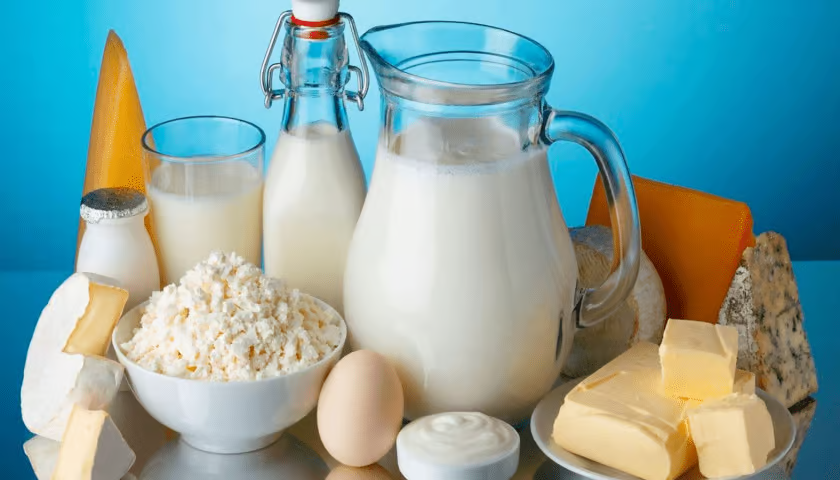
Many dairy products come fortified with vitamin D to help meet daily nutritional needs. Milk, yogurt, and cheese often contain added vitamin D along with calcium, which works together with vitamin D to strengthen bones.
ALSO READ: Quit Sugar for 14 Days: How It Heals Your Liver and Boosts Metabolic Health
Fortified dairy supports muscle function and reduces the risk of bone-related issues. For people who avoid dairy, fortified plant-based alternatives like soy milk or almond milk can serve as good substitutes.
Check labels to ensure the product contains added vitamin D.
Mushrooms
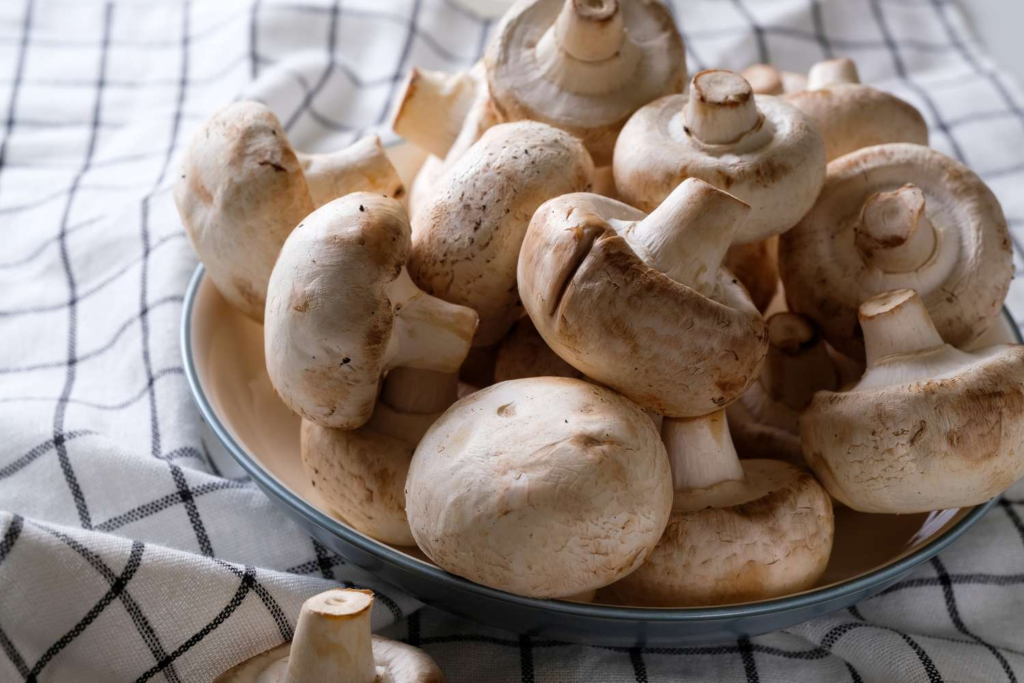
Mushrooms stand out as the only natural plant-based source of vitamin D. When exposed to sunlight or ultraviolet light, mushrooms produce vitamin D2.
Including mushrooms in meals adds fiber, antioxidants, and minerals along with vitamin D. Sun-exposed or UV-treated mushrooms provide higher levels than regular ones.
Sautéing mushrooms lightly or adding them to soups, salads, and stir-fries helps maintain their nutritional value.
Fortified Cereals
Fortified breakfast cereals offer a simple way to increase vitamin D intake, especially for children and busy adults. Many cereals contain added vitamin D along with iron and B vitamins.
Pairing fortified cereal with milk or yogurt boosts overall vitamin D absorption. Choosing low-sugar options ensures you gain nutritional benefits without unnecessary calories.
Cereals work best as a supportive source rather than the main one.
Why Vitamin D Absorption Matters
Eating vitamin D-rich foods alone may not be enough if absorption remains poor. Vitamin D absorbs better when consumed with healthy fats. Including nuts, seeds, olive oil, or avocados in meals helps improve absorption.
Sunlight exposure also plays a vital role. Spending 15–20 minutes outdoors several times a week can support natural vitamin D synthesis.
Signs You May Need More Vitamin D
Low vitamin D levels often show subtle symptoms such as fatigue, frequent illness, bone pain, muscle weakness, and low mood. Long-term deficiency increases the risk of osteoporosis and immune issues.
Blood tests help confirm deficiency, especially for people with limited sun exposure.
ALSO READ: Long Walks Beat Short Walks for Heart Health and Longevity