Food at ₹5: Delhi Government Launches Atal Canteens on Vajpayee Birth Centenary
The Atal Canteens Delhi scheme was launched on Thursday as the Delhi government rolled out 100 subsidised canteens across the national capital. The initiative aims to provide nutritious meals at just ₹5 per plate to poor and low-income residents. The launch coincided with the birth centenary of former Prime Minister Atal Bihari Vajpayee, whose name the scheme carries.
CM Rekha Gupta Inaugurates the Initiative
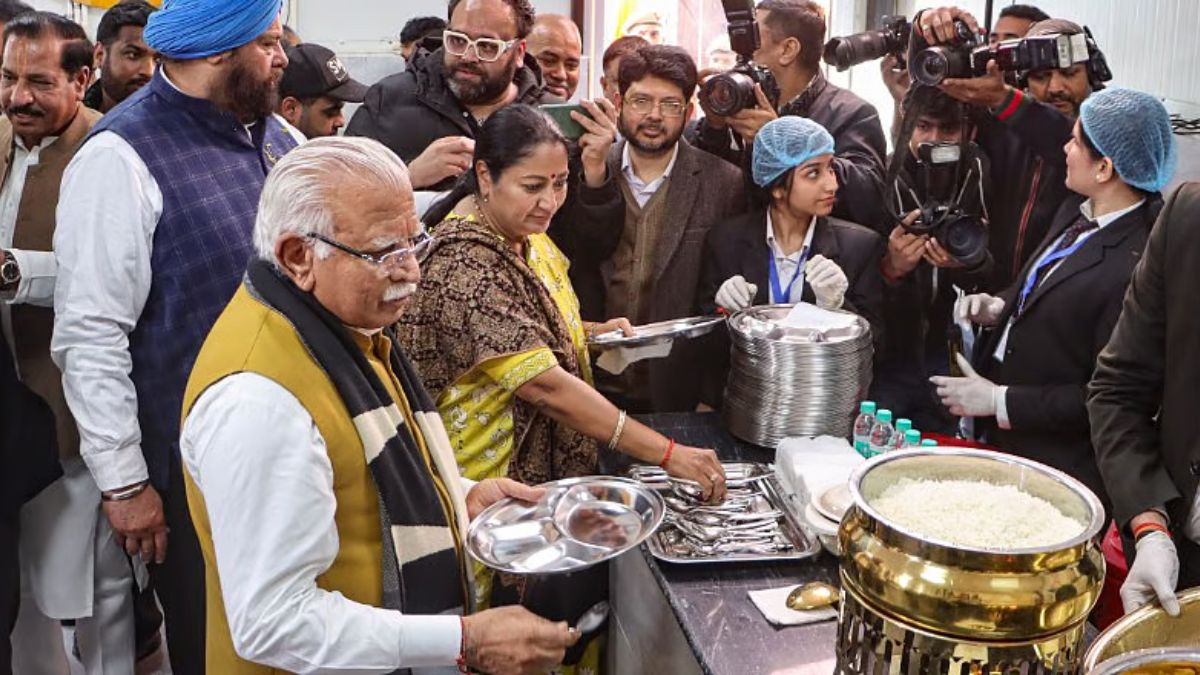
Delhi Chief Minister Rekha Gupta inaugurated around 45 Atal Canteens on the first day. The remaining 55 canteens will become operational soon, once pending construction work is completed.
Speaking at the event, the Chief Minister said the scheme fulfils an important election promise and reflects the government’s commitment to ensuring food security for the most vulnerable sections of society.
GRAP Restrictions Cause Partial Delay
The Delhi government acknowledged delays in construction at some locations due to GRAP restrictions imposed to control air pollution. However, officials confirmed that food services will begin at these centres even if construction work extends by about two months.
Delhi Urban Development Minister Ashish Sood had earlier assured that operational arrangements would not be affected and meals would be served as promised.
Budget Allocation and Planning Process
The Bharatiya Janata Party had announced the Atal Canteen scheme in its Delhi election manifesto. To support the initiative, the government allocated ₹100 crore in the Delhi Budget 2025–26.
Following the budget announcement, the government constituted an inter-departmental committee to finalise locations, menus, operational guidelines, and management structures. The committee coordinated between multiple departments to ensure timely execution of the project.
Menu and Meal Capacity Explained
Under the Atal Canteens Delhi scheme, beneficiaries can access a full plate meal every morning and evening. Each meal will include dal, rice, vegetables, and roti, ensuring basic nutritional balance.
Officials said that each canteen will serve nearly 500 meals per session, allowing thousands of people across the city to benefit daily. The pricing structure remains fixed at ₹5, with the government covering the remaining cost.
Modern Facilities and Digital Monitoring
The canteens feature modern infrastructure to maintain hygiene and efficiency. Each centre has LPG-based cooking systems, industrial RO water units, and cold storage facilities.
The project operates through a digital platform developed by the Delhi Urban Shelter Improvement Board. Authorities will monitor the canteens in real time using CCTV cameras to ensure quality control, transparency, and uninterrupted service.
BJP Targets Previous Delhi Governments
At the inauguration, CM Rekha Gupta criticised earlier Delhi governments, alleging that they made announcements without releasing funds. She said the present BJP-led administration has already released ₹2,700 crore even for projects initiated in previous years.
She emphasised that the current government focuses on implementation rather than announcements.
Khattar Says Delhi Suffered for Two Decades
Union Minister for Housing and Urban Affairs Manohar Lal Khattar also addressed the gathering. He claimed that Delhi residents had “been crying and asking for facilities” for the past 20 years.
Khattar praised the BJP’s governance model and said that with the party in power both at the Centre and in Delhi, development and welfare work is finally moving at speed. According to him, coordinated governance has allowed faster decision-making and fund utilisation.
Focus on Welfare and Food Security
The Atal Canteens Delhi initiative adds to a growing list of welfare programmes aimed at easing the cost of living for economically weaker sections. Government officials said the scheme will expand further if demand rises.
With subsidised meals, modern facilities, and digital oversight, the Delhi government hopes the Atal Canteens will become a reliable support system for daily wage workers, homeless individuals, and low-income families across the capital.