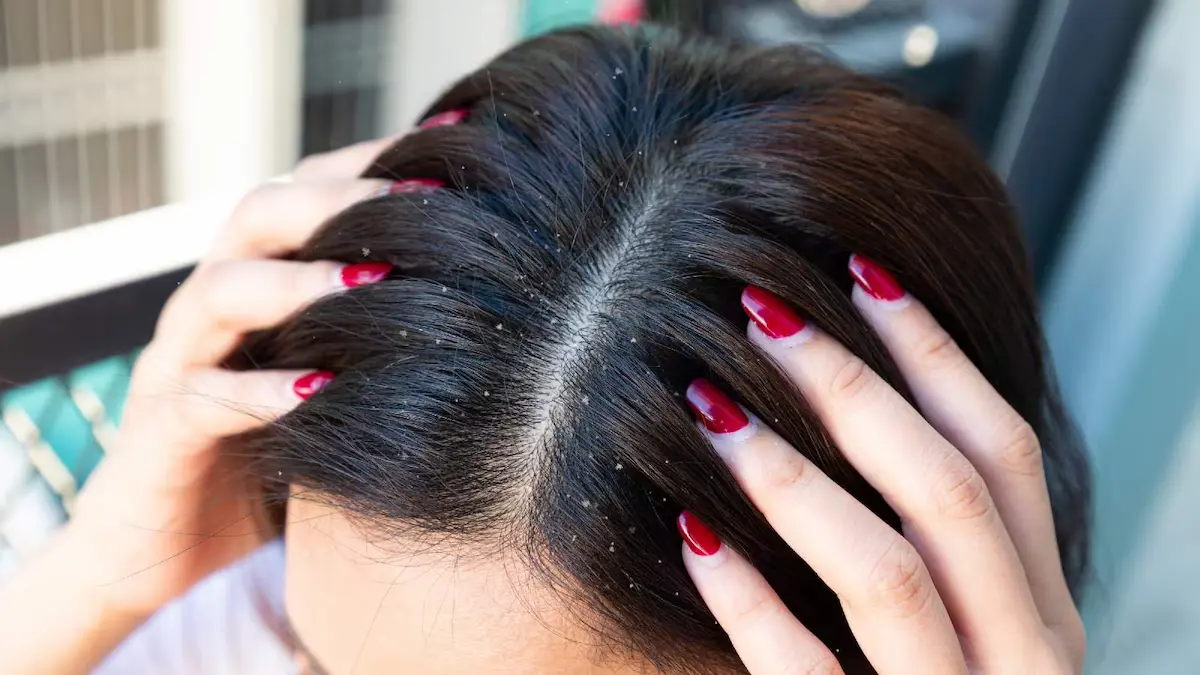
5 Simple Ways To Balance Your Scalp and Stop Dandruff
Dandruff is more than just visible white flakes on your shoulders. It often signals an imbalanced scalp—one that may be too oily, too dry, inflamed, or irritated. Stress, harsh hair products, weather changes, and poor scalp hygiene can all disturb the scalp’s natural ecosystem. While anti-dandruff shampoos help some people, many struggle with recurring flakes because the root imbalance remains unaddressed.
The key to long-term relief lies in restoring scalp balance, not stripping it dry. Here are five effective remedies that work gently and help bring the scalp back to a healthy state.
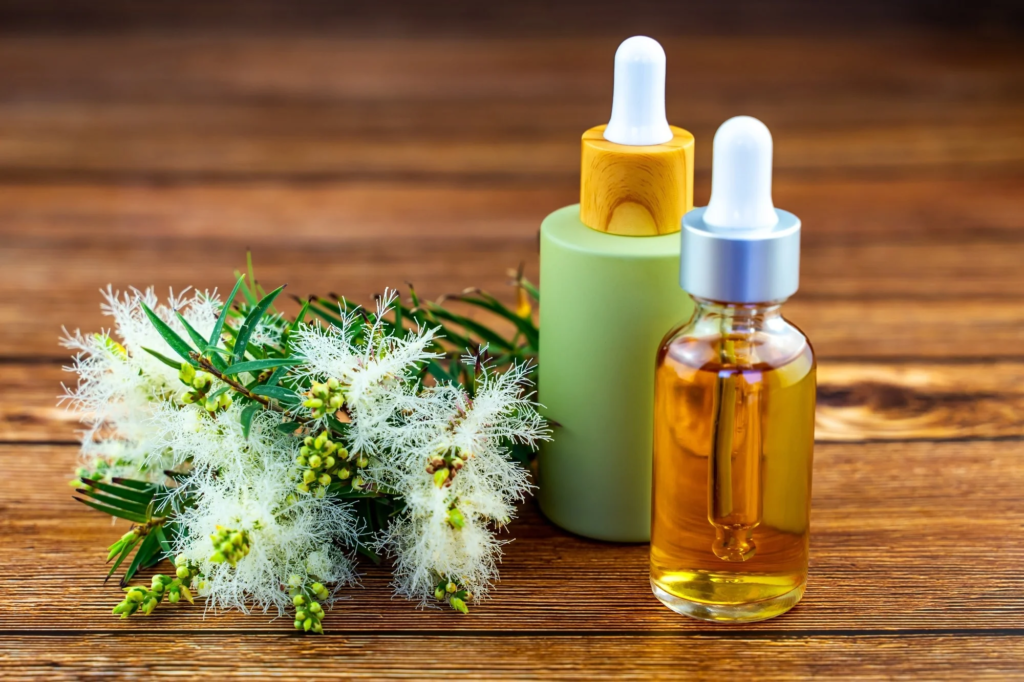
Tea Tree Oil: Targets Flakes Without Drying the Scalp
Tea tree oil stands out as one of the most effective natural solutions for dandruff. It contains antifungal and antibacterial properties that help control the yeast often linked to dandruff.
Instead of applying it directly, mix a few drops with a carrier oil like coconut or add it to your regular shampoo. Massage it gently into the scalp and leave it on for a few minutes before rinsing. Tea tree oil reduces itching while keeping the scalp environment clean and balanced.
Use it two to three times a week for visible improvement.
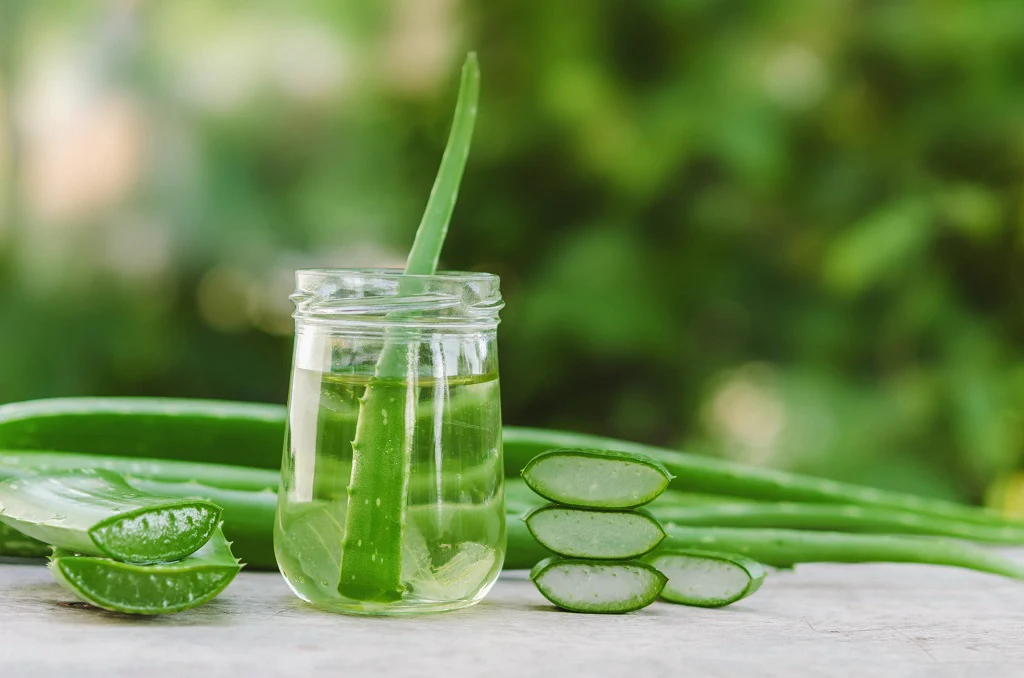
Aloe Vera: Soothes Irritation and Restores Moisture
An irritated scalp often flakes more, even when it isn’t oily. Aloe vera helps calm inflammation and hydrate dry, stressed skin.
Apply fresh aloe vera gel directly to the scalp and massage gently. Leave it on for 20–30 minutes before washing your hair. Aloe helps reduce redness, itching, and tightness while supporting the scalp’s natural repair process.
This remedy works especially well for people whose dandruff worsens with weather changes or stress.
Apple Cider Vinegar: Resets Scalp pH
A disrupted scalp pH creates the perfect environment for dandruff-causing microbes. Apple cider vinegar (ACV) helps restore the scalp’s natural acidity and reduces flaking.
Dilute ACV with water in a 1:2 ratio. After shampooing, pour the mixture over your scalp and massage lightly. Leave it on for a few minutes, then rinse thoroughly.
This treatment helps control excess oil, removes product buildup, and improves overall scalp clarity. Use it once a week to avoid over-drying.
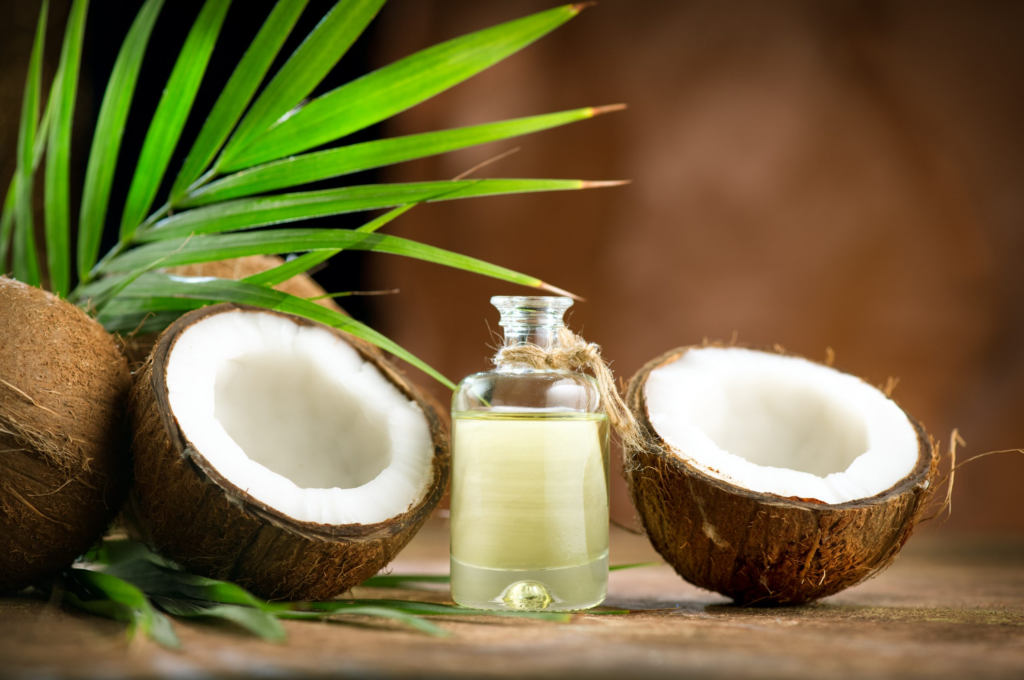
Coconut Oil: Nourishes and Protects the Scalp Barrier
Dryness often triggers dandruff, especially in colder months. Coconut oil deeply nourishes the scalp and strengthens its protective barrier.
Warm a small amount of coconut oil and massage it into the scalp using gentle circular motions. Leave it on for at least 30 minutes or overnight if your scalp feels extremely dry. Wash thoroughly afterward.
Coconut oil works best for dry or combination scalps. If your scalp feels very oily, use it sparingly.
Gentle Exfoliation: Clears Flakes Without Irritation
Dead skin buildup worsens dandruff and blocks healthy scalp renewal. Gentle exfoliation helps remove flakes without damaging the skin.
You can use a mild scalp scrub or mix sugar with a few drops of oil for a DIY option. Massage softly once every 7–10 days before shampooing. Avoid aggressive scrubbing, which can worsen inflammation.
Exfoliation improves blood circulation and allows treatments to absorb better.
Habits That Support a Balanced Scalp
Remedies work best when supported by mindful habits. Overwashing strips natural oils, while infrequent washing allows buildup. Aim for balance.
- Use sulfate-free shampoos
- Avoid very hot water
- Limit heavy styling products
- Manage stress levels
- Eat a nutrient-rich diet
- Hydration also plays a major role. A well-hydrated body supports healthier skin, including the scalp.
If dandruff persists despite consistent care, consult a dermatologist. Conditions like psoriasis or seborrheic dermatitis may require medical treatment.