China Claims Role in India-Pakistan De-escalation, New Delhi Sources Reject Assertion
China’s Foreign Minister Wang Yi has claimed that Beijing “mediated” to de-escalate tensions between India and Pakistan this year, a statement that has been dismissed as “bizarre” by people familiar with the matter in New Delhi. Indian officials and strategic experts say China played no role in ending the military standoff between the two nuclear-armed neighbours.
ALSO READ: Pakistan Admits Indian Strikes Hit Nur Khan Airbase During Operation Sindoor
Wang Yi made the remarks during a policy address in Beijing, where he listed several global conflicts that China allegedly helped resolve. However, sources in India said the claim does not match the actual sequence of events during the May confrontation.
India-Pakistan Military Standoff in May
India and Pakistan faced a serious military escalation in May, following a terror attack in Jammu and Kashmir’s Pahalgam valley on April 22. The attack killed 26 civilians, prompting strong retaliation from India.
In response, India launched Operation Sindoor, which targeted terror infrastructure in Pakistan and Pakistan-occupied Kashmir (PoK). The operation marked one of the most intense confrontations between the two countries in recent years, raising concerns of a wider conflict.
ALSO READ: Putin Flagged Pakistan’s Nuclear Risk in Private Talks With Bush 20 Yrs Ago
The standoff ended on May 10, after both sides agreed to halt military action. Indian officials have repeatedly stated that the de-escalation occurred through direct military-to-military communication, without the involvement of any third country.
Wang Yi’s Mediation Claim Raises Eyebrows
Speaking at the “Symposium on the International Situation and China’s Foreign Relations”, Wang Yi said China had mediated multiple global conflicts in 2025.
“This year, local wars and cross-border conflicts flared up more frequently than at any time since World War II,” Wang said. He added that China had helped mediate disputes in northern Myanmar, the Iranian nuclear issue, India-Pakistan tensions, the Israel-Palestine conflict, and the Cambodia-Thailand confrontation.
ALSO READ: Army Steps Up Anti-Terror Operations in Jammu Region During Chillai Kalan
The inclusion of India-Pakistan tensions in this list surprised diplomats and analysts in New Delhi, who said Beijing did not play any role in easing the crisis.
New Delhi Sources Dismiss China’s Role
While India has not issued an official statement responding to Wang Yi’s remarks, people aware of the developments said China was not involved in the talks that ended the standoff.
According to these sources, senior military officials from India and Pakistan held discussions that led to the ceasefire decision. They stressed that India has consistently maintained that bilateral issues with Pakistan do not allow third-party mediation.
ALSO READ: India Becomes World’s Fourth Largest Economy; Set to Overtake Germany
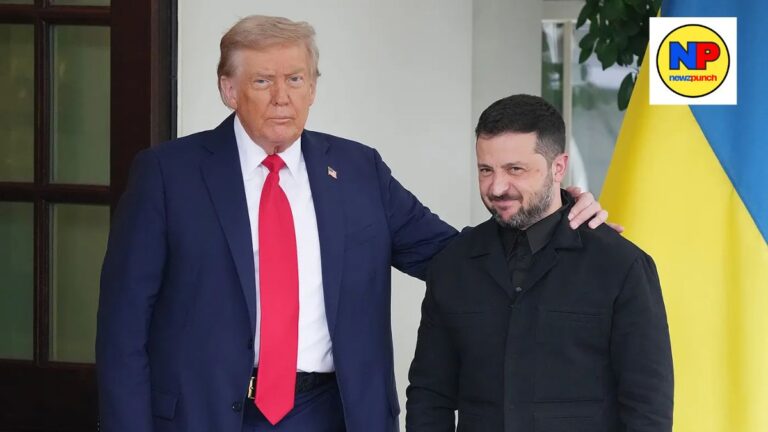
One official described China’s claim as an attempt to project diplomatic influence. Another source remarked that Beijing appeared to be echoing similar assertions made by US President Donald Trump, who has also claimed to have mediated between India and Pakistan — a claim India has firmly rejected.
China’s Role During the Confrontation Under Scrutiny
China’s involvement during the May crisis had already drawn attention due to reports suggesting that Beijing provided real-time intelligence support to Pakistan during the standoff. China is Pakistan’s largest defence supplier, accounting for over 81% of Islamabad’s military hardware.
Indian officials have earlier suggested that China may have used the confrontation as an opportunity to test and showcase its weapons systems in a real conflict environment.
India’s Consistent Stand on Third-Party Mediation
India has long maintained that all issues with Pakistan must be resolved bilaterally, without external intervention. This position remains unchanged, officials said, regardless of claims made by other countries.
As geopolitical competition intensifies, China’s assertion of a mediating role appears aimed at boosting its global diplomatic image. For New Delhi, however, the message remains clear: the May de-escalation was an outcome of direct dialogue, not foreign mediation.
ALSO READ: India Becomes World’s Fourth Largest Economy; Set to Overtake Germany