AIIMS Study Reveals Hidden Heart Blockages Behind Sudden Deaths in Young Indians
The sudden collapse and death of seemingly healthy young adults has become one of India’s most troubling medical concerns. These deaths strike without warning, often in people with no known illness, leaving families shocked and searching for answers. Doctors now see this pattern as a serious public health issue because it cuts across age, fitness levels, and social backgrounds.
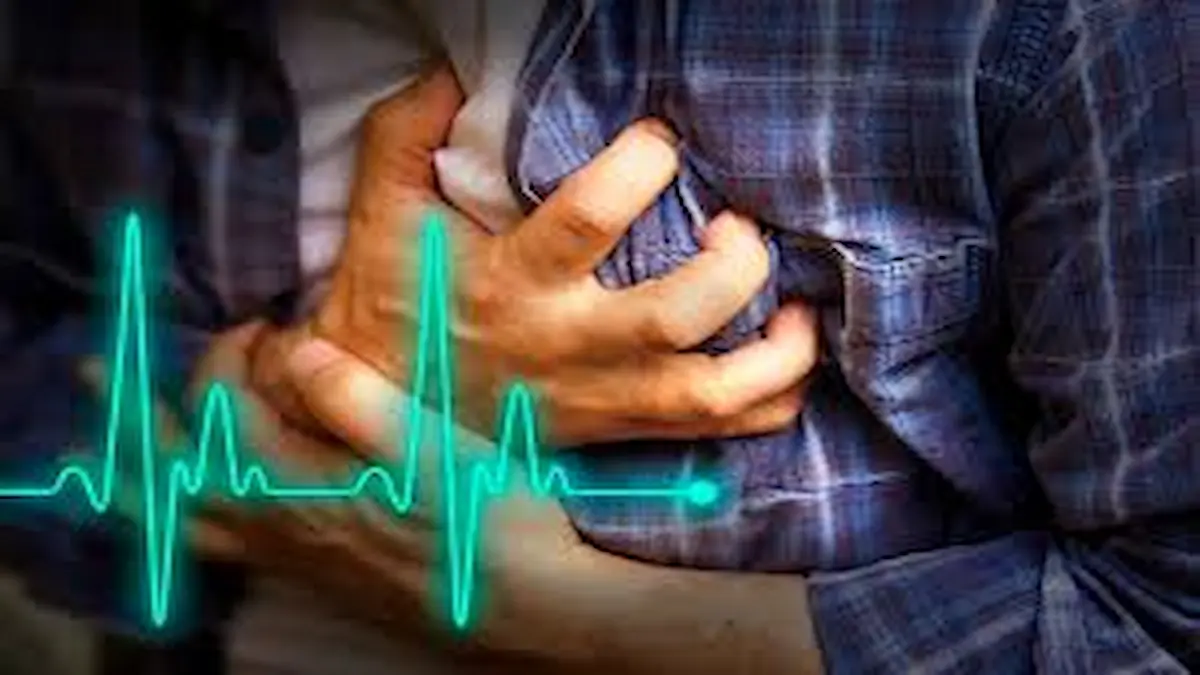
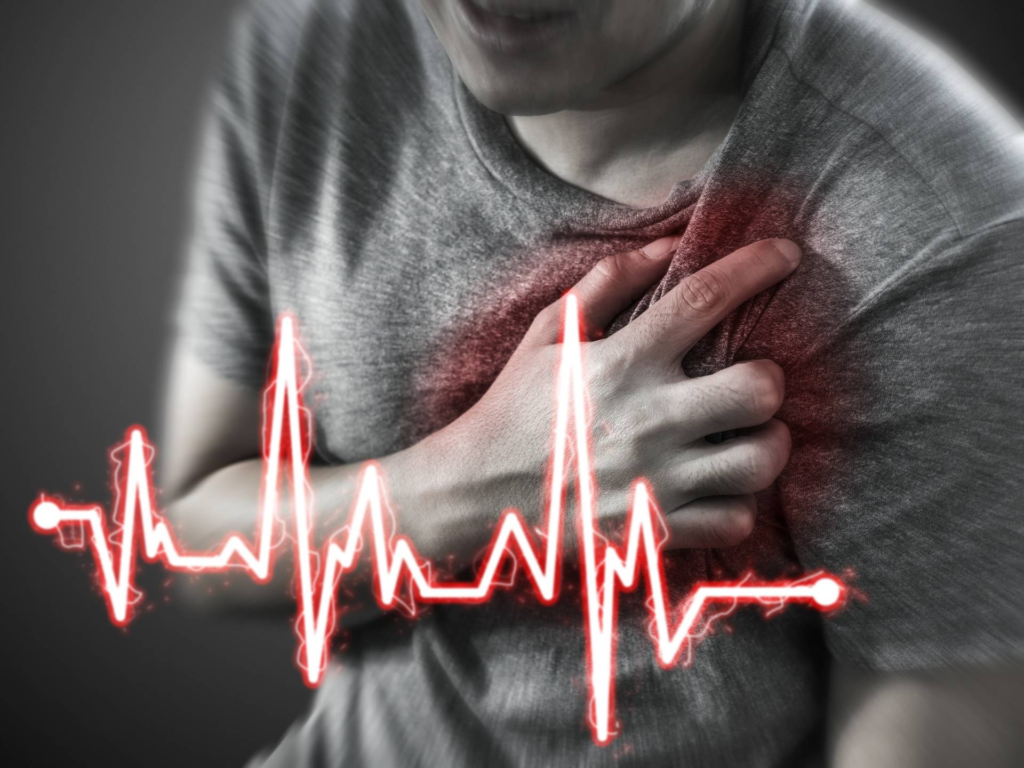
In recent years, especially after the Covid-19 pandemic subsided, anxiety around such deaths has grown. Social media videos showing people collapsing mid-activity have gone viral. A man dancing at a wedding, a player falling on a badminton court, or a young person clutching their chest while walking with friends—such visuals have fuelled fear and speculation across the country.
What Doctors Mean by “Sudden Death”
In medical terms, sudden death has a clear definition. It refers to a death that occurs within one hour of symptom onset in witnessed cases, or within 24 hours of a person last being seen alive in unwitnessed cases. These deaths are abrupt, unexpected, and rapid.
Doctors have grown increasingly concerned because a large number of these cases involve people in their 20s, 30s, and early 40s—an age group traditionally considered low-risk for fatal heart events.
Why AIIMS Investigated These Deaths
India lacks a national registry to track sudden deaths, especially among younger adults. When such deaths occur, public discussion often relies on assumptions about stress, lifestyle, gym workouts, Covid infection, or vaccination—without medical evidence.
To address this gap, researchers at AIIMS New Delhi undertook a detailed forensic investigation. The study formed part of an ongoing project by the Indian Council of Medical Research and was published this month in the Indian Journal of Medical Research.
How the Study Was Conducted
Researchers analysed 2,214 consecutive medicolegal autopsies carried out between May 2023 and April 2024. They did not select cases selectively. Instead, they examined every autopsy received during the study period to avoid bias.
Each case underwent a full forensic evaluation. This included external examination, complete internal autopsy, tissue sampling, microscopic analysis, and imaging when needed. Doctors also conducted verbal autopsies—structured interviews with relatives—to record symptoms before death, lifestyle habits, known medical conditions, and history of Covid infection or vaccination.
Alarming Findings Among Young Adults
Out of all autopsies studied, 180 deaths—8.1 percent—met the strict criteria for sudden death. The age profile shocked investigators. A total of 103 deaths, or 57.2 percent, occurred in people aged 18 to 45.
Relatives often described these individuals as “apparently healthy” until the moment they collapsed. Many died at home, while travelling, or even in their sleep. Men accounted for the vast majority, showing a strong male predominance across all age groups.
Heart Disease Emerges as the Main Culprit
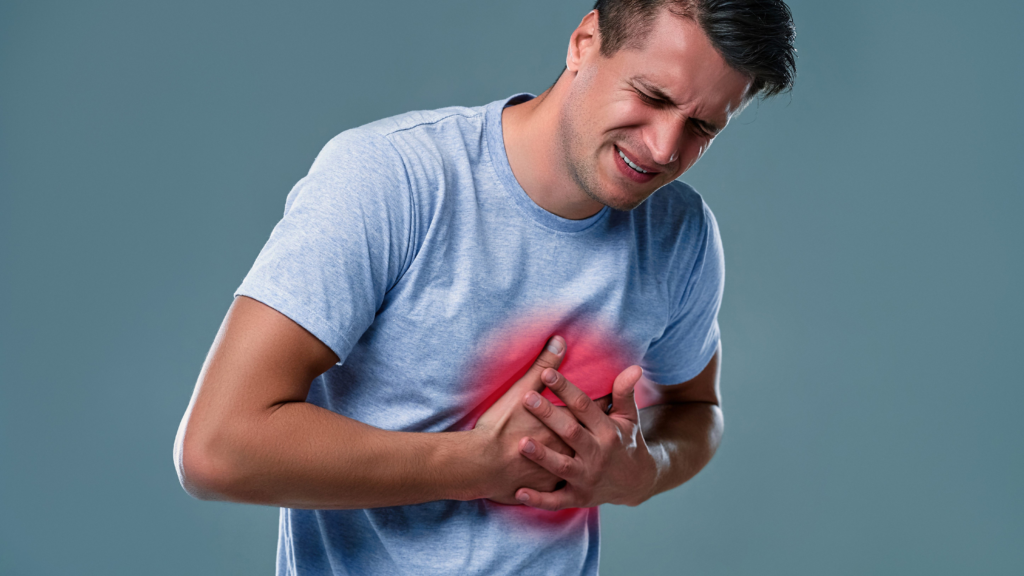
The most striking finding involved heart disease. Among young adults, 42.6 percent of sudden deaths resulted from cardiovascular causes. Autopsies revealed advanced coronary artery disease in many of these cases.
In forensic medicine, a blockage of more than 70 percent in a coronary artery counts as critical. Many young victims had blockages at or beyond this level. The left anterior descending artery, often called the “widow-maker,” appeared most frequently, followed by the right coronary artery. This pattern typically leads to fatal heart attacks.
These findings challenge the common belief that severe artery blockages only affect older people.
When Autopsies Provide No Answers
One of the most disturbing results involved unexplained deaths. In 21.3 percent of young adults who died suddenly, doctors found no structural cause even after extensive investigation.
These cases underwent full imaging, complete autopsy, and microscopic examination of all major organs. Yet no visible abnormality explained the death. Doctors classify such cases as “negative autopsies.”
Medical experts believe many of these deaths result from inherited electrical disorders of the heart. These conditions disrupt heart rhythm without altering heart structure, leaving no forensic trace after death.
Expert Views on the Findings
Reacting to the study, Dr KK Talwar, chairman of PSRI Heart Institute, said the findings highlight a worrying rise in premature coronary artery disease.
He explained that many unexplained deaths likely stem from inherited rhythm disorders that standard autopsies cannot detect. He stressed the importance of genetic testing and screening family members of victims.
Dr Talwar also emphasised early preventive check-ups, strict avoidance of tobacco and alcohol, and routine heart evaluations for younger adults. He clearly stated that current evidence does not link Covid vaccination to sudden cardiac deaths.
Not Only About the Heart
Although heart disease dominated, the study revealed other causes as well. Respiratory conditions accounted for 21.3 percent of sudden deaths among young adults. These included pneumonia and tuberculosis, both pulmonary and widespread forms. Several victims died before treatment could begin or take effect.
Another notable cause involved aspiration, or choking on stomach contents. These cases appeared mostly among chronic alcohol users. Alcohol suppresses protective airway reflexes during sleep, increasing the risk of fatal choking.
The AIIMS study sends a clear message. Sudden deaths in young adults often hide serious, undetected disease. Many warning signs go unnoticed or ignored until it is too late.
Doctors now urge younger Indians to take heart health seriously. Regular check-ups, healthy lifestyles, and awareness of family history could save lives. The study also underlines the urgent need for better tracking, early screening, and preventive healthcare to address this silent crisis.