Regional Leaders Gather in Dhaka for Khaleda Zia’s Funeral
Senior political leaders and government representatives from across South Asia arrived in Dhaka on Wednesday to attend the funeral of former Bangladesh prime minister Khaleda Zia.
The funeral event reflected the regional significance of a leader who shaped Bangladesh’s political landscape for decades.
ALSO READ: Media Under Threat in Bangladesh as Global TV Receives Warning After Newspaper Attacks
Zia, the long-time chairperson of the Bangladesh Nationalist Party (BNP) and a three-time prime minister, passed away on Tuesday following a prolonged illness. She was 80.
Foreign Delegations Pay Final Respects
Officials at Hazrat Shahjalal International Airport confirmed that Nepal’s Foreign Minister Bala Nanda Sharma was among the earliest foreign dignitaries to reach Dhaka late Tuesday night.
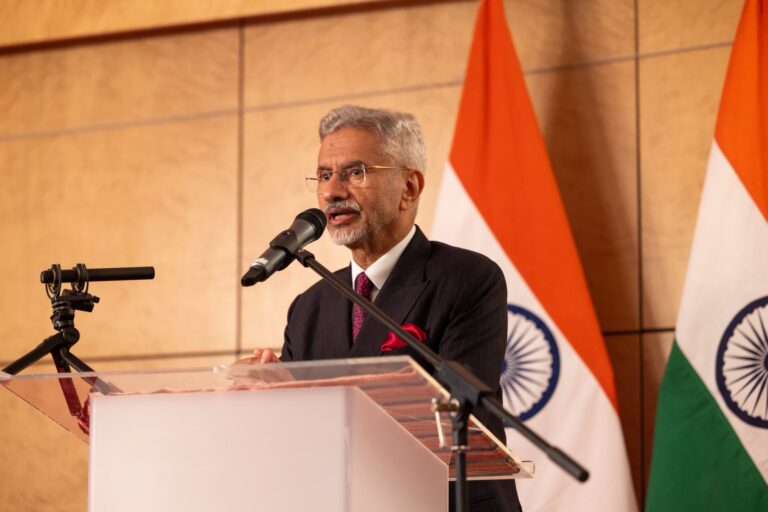
India’s External Affairs Minister S Jaishankar arrived on Wednesday morning to represent the Government of India.
ALSO READ: Bangladesh BNP Leader Tarique Rahman Returns Home After 17 Years in Exile
Shortly after landing, he met BNP Acting Chairman Tarique Rahman, Zia’s elder son, and handed over a condolence letter from Prime Minister Narendra Modi. Jaishankar conveyed India’s sympathy and shared grief with the family.
Pakistan’s National Assembly Speaker Sardar Ayaz Sadiq also reached Dhaka and met Rahman, offering condolences on behalf of Pakistan.
Wider South Asian Representation at the Ceremony
Several other South Asian nations sent senior representatives to honour the former prime minister. Bhutan was represented by its Foreign Affairs and External Trade Minister Lyonpo DN Dhungyel, while Sri Lanka’s Foreign Minister Vijitha Herath attended the funeral to pay tribute.
The Maldives sent Higher Education and Labour Minister Ali Haidar Ahmed as a special envoy of the country’s president. Diplomats and ambassadors from multiple countries later assembled at Manik Mia Avenue, where the funeral rites were held.
A Leader Who Shaped Bangladesh’s Politics
Khaleda Zia remained a central figure in Bangladeshi politics for more than three decades. As BNP chief, she led the country through several critical political phases and maintained influence even during years of illness and political challenges.
Her funeral drew regional attention, underlining her stature beyond Bangladesh and her long-standing engagement with neighbouring countries.
ALSO READ: Bangladesh Government Condemns Killing of Factory Worker Dipu Chandra Das