
5 Foods and Drinks to Avoid During Winter
Winter is a season that brings cozy evenings, warm clothes, and festive food. However, it is also the time when cold, cough, sore throat, and viral infections become more common. While weather changes play a role, diet is one of the most important factors influencing immunity during winter. Certain foods and drinks can weaken the body’s natural defenses, increase mucus production, and irritate the throat, making you more vulnerable to seasonal illnesses.
To stay healthy during the colder months, it is important not only to eat immunity-boosting foods but also to avoid items that can trigger or worsen cold and cough symptoms. Here are five foods and drinks you should limit or avoid during winter to reduce the risk of infections.
Cold Drinks and Ice-Cold Beverages
Cold drinks, chilled juices, and iced water may feel refreshing, but they can be harsh on the throat during winter. Consuming cold beverages can constrict blood vessels in the throat, reducing local immunity and making it easier for viruses to attack. For people prone to throat infections, cold drinks often trigger coughing and throat irritation. Choose lukewarm water, herbal teas, or warm lemon water to keep your throat comfortable and hydrated.
Fried and Oily Foods
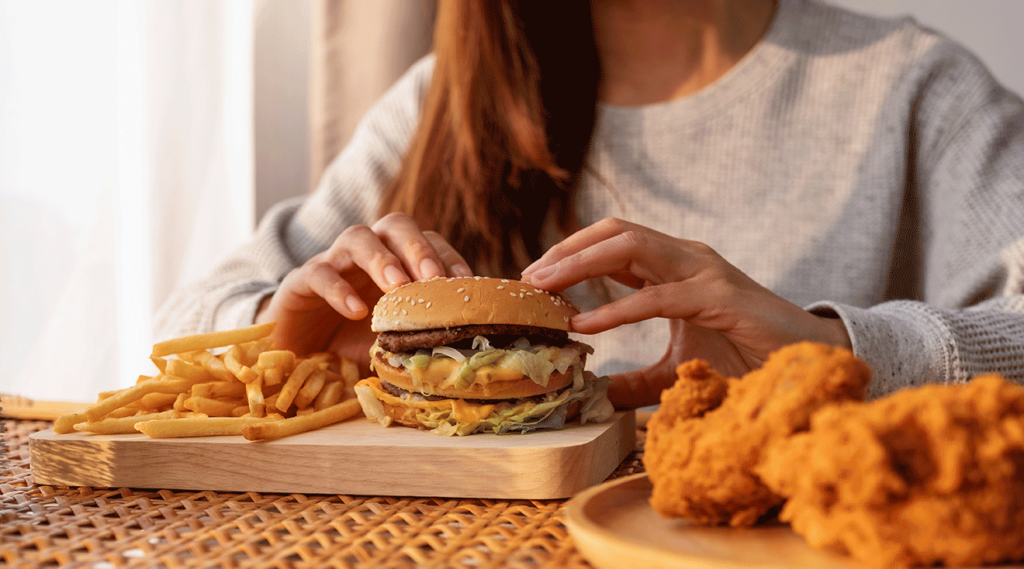
Deep-fried foods like pakoras, samosas, chips, and fast food are popular winter snacks, but they can do more harm than good. Oily foods increase inflammation in the body and promote excess mucus production, which can worsen nasal congestion and cough. Additionally, fried foods are harder to digest, diverting energy away from the immune system that could otherwise help fight infections. Opt for lightly cooked, warm foods such as soups, roasted vegetables, or steamed snacks.
Excess Dairy Products
Milk, cheese, cream, butter, and ice cream are common in winter diets, but excessive consumption may thicken mucus in some people. This can aggravate cold symptoms, block nasal passages, and prolong cough, especially in individuals who are already sick. While dairy is nutritious, moderation is key during winter. If you notice increased congestion after dairy intake, reduce it temporarily and choose plant-based alternatives or warm milk with turmeric.
Sugary Foods and Sweets
High sugar intake weakens the immune system by reducing the ability of white blood cells to fight infections. Cakes, pastries, chocolates, candies, and sugary desserts may satisfy cravings, but they also promote inflammation and increase the risk of catching a cold. Sugar can also encourage bacterial growth in the throat, worsening cough and irritation. Satisfy sweet cravings with natural options like fruits, dates, or a small amount of jaggery
Alcohol
Alcohol consumption increases during winter, but it can suppress immune function and dehydrate the body. Dehydration dries out the throat and nasal passages, making them more susceptible to infections. Alcohol also interferes with sleep, which is essential for immunity and recovery. Limit alcohol intake and focus on warm fluids like soups, herbal infusions, and ginger tea.
Winter illnesses like cold and cough are common, but they are not unavoidable. Making mindful dietary choices can significantly reduce your risk of falling sick. Avoiding cold drinks, fried foods, excess dairy, sugary items, and alcohol can help your immune system function better during the colder months.
Pair these precautions with warm meals, proper hydration, adequate sleep, and regular hand hygiene to stay healthy throughout winter. Small changes in daily eating habits can go a long way in protecting you from seasonal infections.