Delhi Pollution Crisis Sparks Fresh Political Showdown
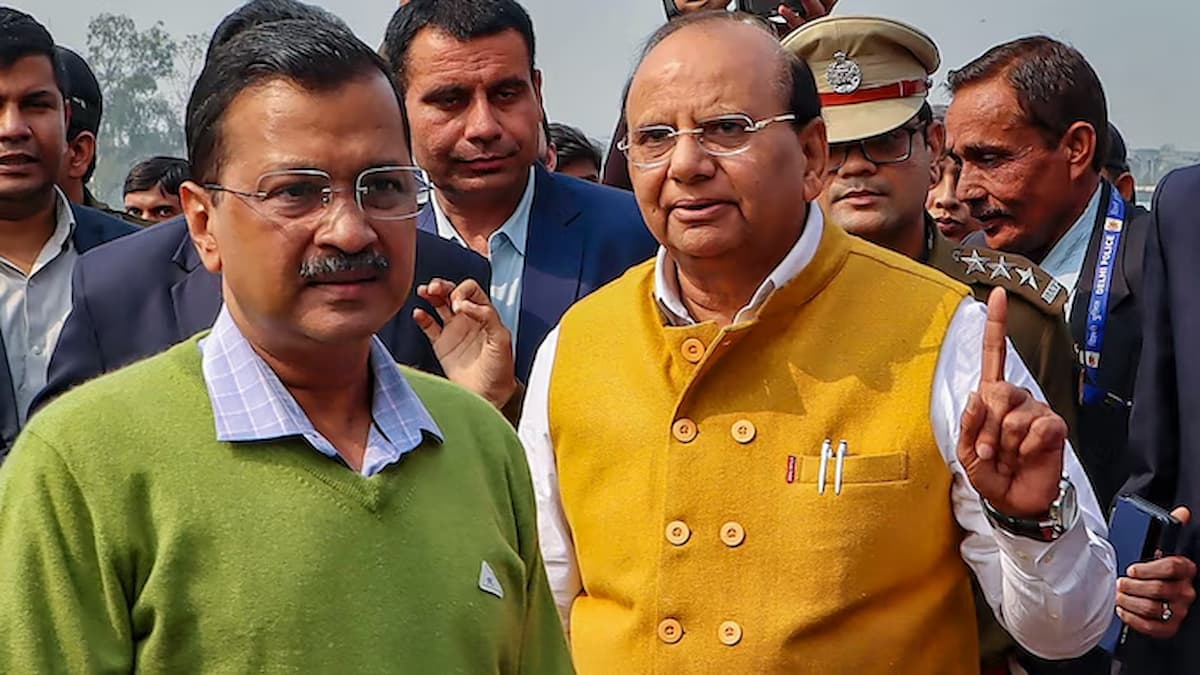
As Delhi continues to choke under hazardous air pollution, the crisis has triggered a sharp political confrontation. On Tuesday, Lieutenant Governor VK Saxena wrote a strongly worded letter to former Chief Minister and Aam Aadmi Party (AAP) chief Arvind Kejriwal, blaming years of administrative failure for the capital’s worsening environmental condition.
The letter immediately escalated tensions, shifting the focus from pollution control to political accountability. While the city struggles with toxic air, the exchange has brought the roles of the Lieutenant Governor, the former AAP government, and the current BJP-led administration under scrutiny.
Also Read: Delhi-NCR Chokes Under Dense Smog and Fog, Flights Disrupted as Visibility Drops to Near Zero
AAP Accuses LG of Targeting Former Government
The Aam Aadmi Party reacted angrily, accusing the Lieutenant Governor of indulging in what it described as “letter politics.” AAP leaders questioned why the letter was addressed to Arvind Kejriwal, who no longer holds the office of Chief Minister.
AAP national media in-charge Anurag Dhanda criticised the move, saying the Lieutenant Governor appeared to have ignored the current political reality. He argued that Rekha Gupta is now Delhi’s Chief Minister and any questions regarding pollution should be directed to the present administration.
Also Read: Mumbai’s Air May Turn ‘Delhi-Like’, HC Sounds Alarm, Gives Authorities 24 Hours
Another AAP spokesperson, Ghanendra Bhardwaj, echoed the criticism and accused the LG of consistently obstructing the functioning of the previous AAP government. He described the letter as absurd and politically hollow, claiming it deliberately avoided questioning the BJP-led government’s performance over the past several months.
According to AAP, the pollution debate is being diverted to deflect attention from the lack of concrete action by the current government.

BJP Demands Kejriwal Answer Allegations Personally
The Bharatiya Janata Party, however, took a firm stand against AAP’s response. Delhi BJP president Virendra Sachdeva criticised Arvind Kejriwal for not responding directly to the allegations raised in the Lieutenant Governor’s letter.
Sachdeva said the silence of Kejriwal and senior AAP leaders had shocked the people of Delhi. He argued that the letter raised serious administrative issues and could not be dismissed through statements by party spokespersons.
The BJP accused Kejriwal of attempting to evade responsibility by shifting the narrative. Sachdeva demanded that Kejriwal clarify why, according to the letter, he allegedly advised the LG not to prioritise pollution concerns during his tenure.
The BJP insisted that accountability was essential, especially when Delhi’s residents are facing serious health risks due to polluted air.
LG Flags Long-Term Governance and Infrastructure Failures
In his letter, Lieutenant Governor VK Saxena blamed the previous AAP government for what he described as eleven years of neglect. He linked Delhi’s pollution crisis to broader governance failures involving infrastructure and urban planning.
The letter accused the former government of ignoring road maintenance, drainage systems, water infrastructure, and public transport. It also alleged that key projects, including Metro Phase-IV, Regional Rapid Transit System corridors were delayed for political reasons.
The LG further highlighted issues such as overflowing sewers, deteriorating road conditions, and continued pollution of the Yamuna river. According to the letter, these problems collectively contributed to Delhi’s worsening air quality and living conditions.
While the letter aimed to highlight administrative lapses, it has also intensified the political blame game at a time when citizens are demanding immediate relief from pollution.
Pollution Takes a Backseat to Politics
As political parties trade accusations, Delhi’s air quality remains dangerously poor. Experts warn that prolonged political confrontation could delay urgent policy action needed to address waste management.
Public health advocates stress that pollution control requires coordination across institutions, not political posturing. With winter approaching its peak pollution phase, citizens are increasingly impatient with symbolic gestures.
The unfolding confrontation shows how environmental crises can quickly become political battlegrounds. For Delhi’s residents, however, the priority remains clear clean air, effective governance, and swift action.