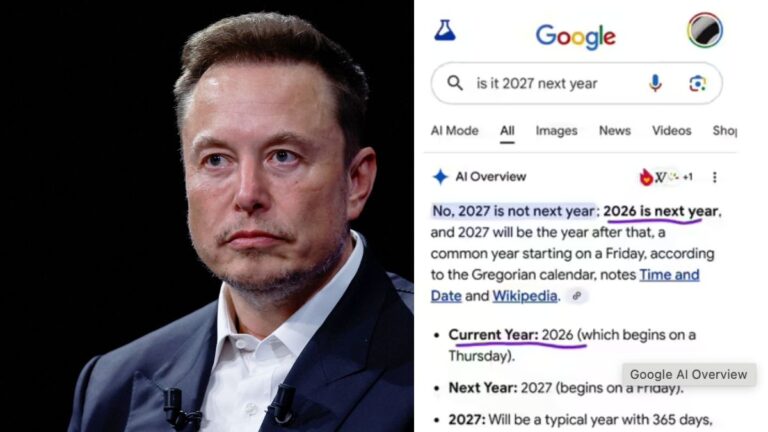
Government Plans Mandatory Watermarks to Tackle AI-Generated Deepfakes
Artificial Intelligence has transformed how people work, create, and communicate. From automation to creative tools, AI has simplified many tasks. However, the rapid rise of AI-generated videos, images, and audio has also introduced serious risks. Deepfakes—highly realistic but fake content created using AI—now pose challenges for individuals, society, and the government.
These manipulated visuals and recordings no longer stay confined to entertainment or harmless experimentation. People increasingly use them to spread misinformation, commit cyber fraud, incite social unrest, and damage personal reputations. As these threats grow, the Government of India has decided to step in with stronger safeguards.
Draft Rules Aim to Bring Accountability
To address the misuse of AI, the Ministry of Electronics and Information Technology (MeitY) has prepared draft rules focused on identifying AI-generated content. The proposed framework requires mandatory watermarking and labeling for all AI-created material.
Officials believe that unidentified AI content fuels a rise in cybercrime. Fraudsters often exploit realistic visuals and audio to deceive people, blackmail victims, or spread false narratives. By enforcing clear identification, the government aims to reduce such misuse at an early stage.
The draft rules reflect a shift from advisory warnings to enforceable responsibility. The government wants AI platforms, developers, and content creators to play an active role in preventing harm.
Why Watermarking Matters
Watermarking will act as a visible or embedded signal that identifies content created using AI tools. Once the rules take effect, any AI-generated video, image, or audio clip must clearly state its artificial origin.
This step will help viewers make informed judgments about what they see or hear. People will no longer need to rely only on instinct to decide whether content looks suspicious.
Experts say watermarking can deliver several key benefits:
Authorities can act quickly against content that threatens public order
Misinformation and panic will spread less easily
Investigators can identify illegal or abusive material faster
Users can verify authenticity before content goes viral
Clear labeling will also reduce confusion and protect people from emotional or financial harm.
Deepfakes and Public Figures Raise Alarm
Recent incidents involving deepfakes of celebrities have intensified concerns. Fake videos and images of well-known public figures circulated widely on social media, misleading audiences and damaging reputations. These cases revealed how easily AI tools can replicate faces, voices, and expressions with near-perfect accuracy.
For ordinary users, spotting the difference between genuine and fake content has become increasingly difficult. This challenge has pushed the government to move beyond awareness campaigns and toward firm regulatory action.
Grok AI Controversy Highlights the Risk
A recent controversy involving AI-generated obscene content brought the issue into sharper focus. Users created and shared explicit images using an AI tool called “Grok,” leading to widespread outrage online. As the situation escalated, the government ordered platforms to remove the content and sought formal explanations.
The incident showed how quickly harmful AI content can spread when controls remain weak. It also underlined the need for clear accountability among AI tool providers and hosting platforms
According to officials, the government is finalizing revised guidelines as part of a broader AI governance framework. Authorities expect to announce the new rules soon. Once implemented, platforms that develop or host AI tools must ensure compliance with watermarking and labeling requirements.
Content creators will also need to follow the rules when publishing AI-generated material. Failure to comply may invite penalties or other regulatory action.
The push for AI-generated content regulation marks an important step in balancing innovation with responsibility. AI will continue to shape the future, but safeguards must protect people from deception and harm.
By introducing watermark rules, the government aims to restore trust in digital content, curb deepfake abuse, and create a safer online environment for everyone.