Fake TRAI Notice Demanding ₹20,000 for Mobile Tower Exposed, PIB Warns Public
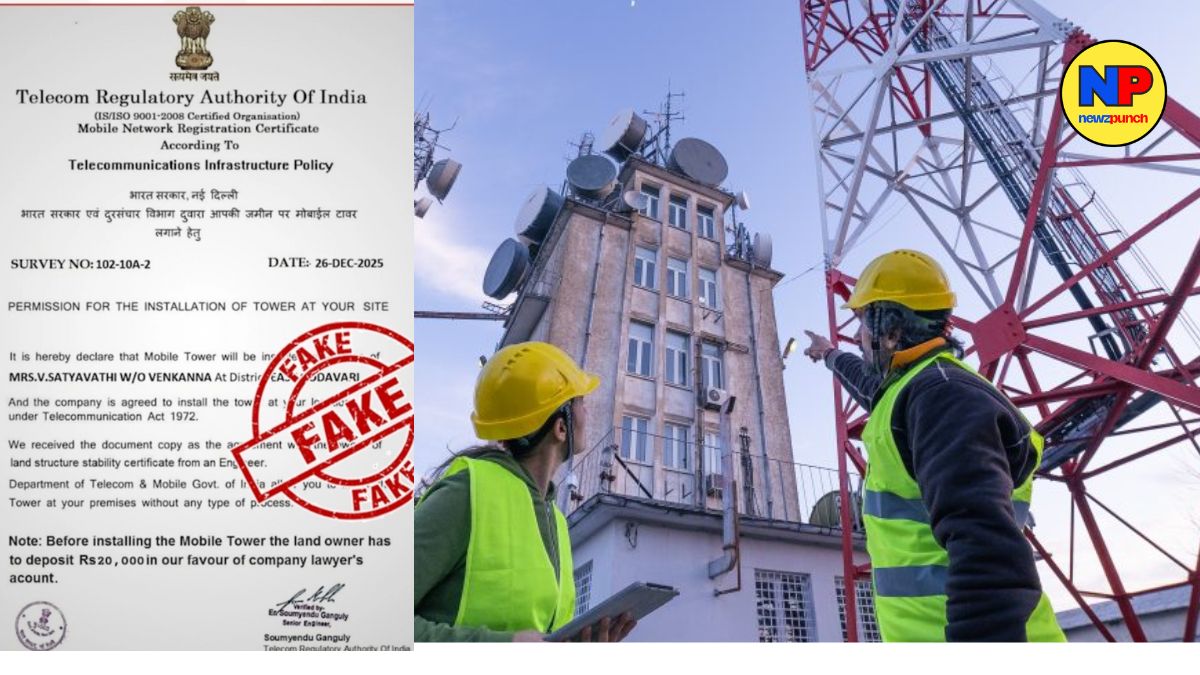
A misleading notice circulating widely claims to be issued by the Telecom Regulatory Authority of India (TRAI) and asks recipients to deposit ₹20,000 for the installation of a mobile tower. The message has raised concern among citizens, especially those unfamiliar with official telecom procedures.
The notice falsely suggests that payment is mandatory and gives the impression of government approval. However, authorities have now confirmed that the claim is entirely fabricated.
PIB Confirms the Notice Is Fraudulent
The Press Information Bureau (PIB) has categorically rejected the authenticity of the notice. PIB clarified that TRAI never issues such letters and does not demand money from individuals for installing mobile towers.
PIB stated that the document did not originate from any government department and warned people against trusting or responding to such messages. The bureau also urged citizens not to share personal details, bank information, or make any payments linked to the fake notice.
How TRAI Actually Functions
TRAI acts as a regulatory body that frames policies, ensures fair competition, and protects consumer interests in the telecom sector. It does not handle land acquisition, tower installation payments, or individual financial transactions.
Mobile tower installation usually involves telecom service providers and property owners through private agreements. No government regulator asks citizens to pay upfront charges through notices or unofficial communication.
Why Such Scams Are Dangerous
Fraudsters often use the names of well-known government institutions to gain trust. By imitating official language and logos, they try to pressure people into making quick payments. These scams target homeowners, small landowners, and rural populations who may believe the claims without verification.
Once money or personal data gets shared, victims face financial loss and potential identity misuse. Authorities stress that awareness remains the strongest defense against such fraud.
PIB’s Advice to the Public
- Ignore such notices or messages immediately
- Avoid sharing Aadhaar numbers, bank details, or contact information
- Refrain from making any payments
- Verify claims only through official government websites or verified social media handles
- PIB has also published an official clarification on its website to counter misinformation and prevent panic.