US Childhood Vaccination Guidelines Overhauled: CDC Cuts List from 17 to 11
The United States has introduced a sweeping overhaul of its childhood vaccination policy, reducing the number of diseases for which vaccines are universally recommended from 17 to 11. The revised US childhood immunisation guidelines, released on Monday by the Centers for Disease Control and Prevention (CDC), mark one of the most significant changes to paediatric public health policy in decades.
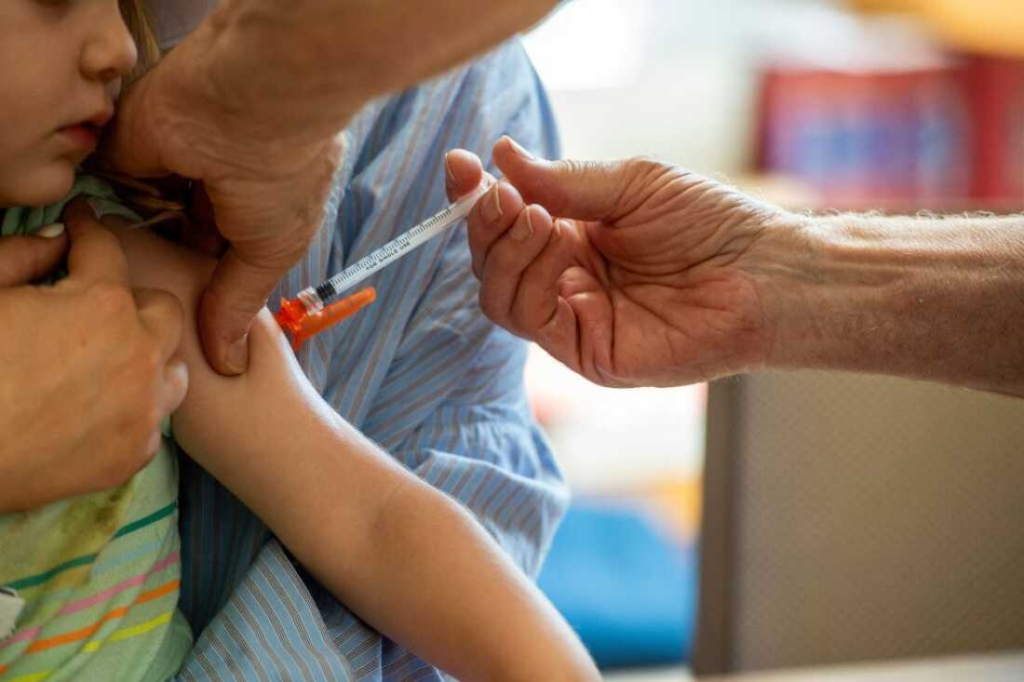
Under the new framework, several vaccines that were previously part of the routine childhood schedule—such as hepatitis A, hepatitis B, and Covid-19—will now be administered based on individual risk assessment and shared decision-making between doctors and parents.
Which Vaccines Remain Mandatory for All Children?
According to the CDC, vaccines that will continue to be recommended for all children protect against the following diseases:
- Measles, mumps and rubella (MMR)
- Polio
- Pertussis (whooping cough)
- Tetanus
- Diphtheria
- Haemophilus influenzae type B (Hib)
- Pneumococcal disease
- Human papillomavirus (HPV)
- Varicella (chickenpox)
Health officials say these vaccines address diseases with a high risk of transmission and severe outcomes in the US population.
Risk-Based and Optional Vaccines Explained
A second category of vaccines will now be recommended based on risk factors, including geographic exposure, medical history, or outbreak conditions. These include vaccines for:
- Respiratory syncytial virus (RSV)
- Hepatitis A and hepatitis B
- Dengue
- Meningococcal ACWY and meningococcal B (meningitis)
A third group—covering Covid-19, influenza, and rotavirus—has been placed under shared clinical decision-making, leaving the final choice to parents in consultation with paediatricians.
For now, insurance coverage will continue for vaccines that remain recommended through the end of 2025, offering temporary reassurance to families.
Trump Administration Defends the Decision
US President Donald Trump welcomed the revised schedule, calling it “rooted in the gold standard of science.”
In a public statement, he said the changes responded to long-standing concerns from parents, including supporters of his “Make America Healthy Again” (MAHA) campaign.
The overhaul has been led by Health Secretary Robert F Kennedy Jr, who has a history of scepticism toward vaccine mandates. Kennedy stated that the changes followed an “exhaustive review” and were designed to protect children while rebuilding public trust in health institutions.
Also Read: Overcoming Fear of Childbirth: Simple Ways to Stay Calm and Confident During Pregnancy
Paediatricians Warn of Serious Consequences
The move has drawn sharp criticism from leading medical bodies. The American Academy of Pediatrics (AAP) described the revised guidelines as “dangerous and unnecessary,” warning that reduced clarity could undermine confidence in immunisation.
AAP President Dr Andrew D. Racine argued that comparing the US to smaller countries was flawed. He specifically rejected parallels with Denmark, noting vast differences in population size, disease exposure, and public health infrastructure.
Republican Senator Bill Cassidy of Louisiana, himself a physician, also voiced concern, stating that altering vaccine schedules without transparent safety data could increase fear among parents and doctors alike.

The new recommendations stem from an executive order signed by President Trump in December, directing health officials to compare US practices with those of peer developed nations. The health department concluded that the US was a “global outlier” in both the number of vaccines and doses administered to children.
Critics argue that the timing is troubling, especially after the CDC recently delayed the recommended timing of the first hepatitis B dose for infants born to hepatitis B–negative mothers—a decision already criticised by paediatric experts.
As the debate intensifies, public health specialists warn that inconsistent messaging could erode decades of progress in preventing vaccine-preventable diseases, potentially leaving children more vulnerable rather than safer.