‘Waterman’ Rajendra Singh Calls Indore Tragedy a Man-Made Disaster
Renowned water conservationist Rajendra Singh on Sunday described the deaths linked to contaminated drinking water in Indore as a “system-created disaster.”
He squarely blamed corruption and long-standing failures in urban water management in the city.
ALSO READ: Indore Water Contamination Crisis Deepens; Over 1,100 Ill in Bhagirathpura
The Ramon Magsaysay Award winner, widely known as the “Waterman of India,” expressed shock that such an incident occurred in a city that has repeatedly topped national cleanliness rankings.
“If something like this can happen in India’s cleanest city, it raises serious questions about the state of drinking water systems across the country,” Singh said, reacting to the unfolding crisis.
How the Contamination Unfolded
The crisis surfaced in Indore’s Bhagirathpura area, where officials detected a major leak in a pipeline supplying drinking water.
Investigations revealed that contamination occurred at a police outpost where a toilet had been constructed directly over a water main.
According to government officials, sewage overflow from the toilet seeped into the drinking water pipeline.
ALSO READ: Indore Water Contamination Tragedy: Sewage-Mixed Supply Claims Lives, NHRC Seeks Report
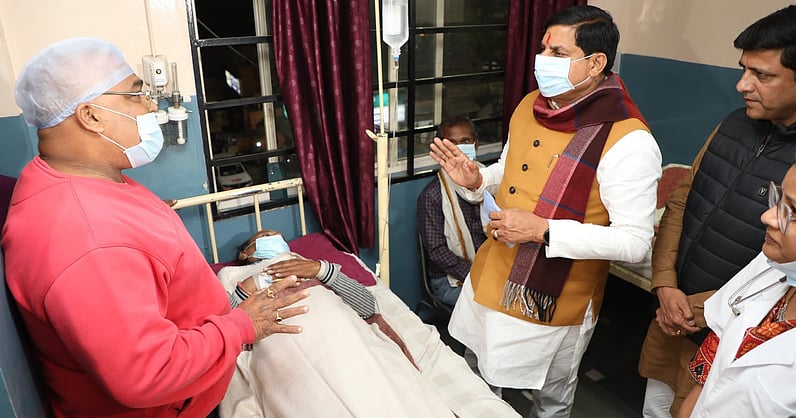
Soon after, residents began reporting severe symptoms, including vomiting and diarrhoea, prompting emergency hospital admissions.
Authorities have officially confirmed six deaths so far. However, local residents claim the toll may be significantly higher, estimating between 10 and 14 fatalities.
Around 200 people remain hospitalised, with more than 30 patients still in intensive care units.
‘Corruption Has Hollowed Out the System’
Singh argued that the tragedy exposes deep flaws in how urban water infrastructure is planned and executed.
He alleged that, to cut costs, contractors often lay drinking water pipelines dangerously close to drainage lines, creating conditions ripe for contamination.
ALSO READ: Indore: Fire Breaks Out at Kemco Chocolate Factory, Firefighters Rush to Control Blaze
“This is not an accident. It is a system-created disaster,” Singh said, adding that corruption has weakened safeguards meant to protect public health.
According to him, Indore’s situation reflects a larger national problem where short-term savings and vested interests override long-term safety.
Overdependence on the Narmada River
The water conservationist also raised concerns about Indore’s continued dependence on the Narmada River for drinking water.
He recalled visiting Indore as early as 1992, when he had questioned how long the city could rely on water sourced from faraway rivers.
Decades later, Singh said, the city still depends heavily on Narmada water, suggesting a failure to build sustainable local water systems or recharge groundwater effectively.
“If nothing has changed in so many years, it means responsible water management was never prioritised,” he alleged.
Costly Project, Heavy Burden on Civic Finances
Indore receives Narmada water through pipelines running nearly 80 kilometres from Jalud in neighbouring Khargone district.
The water is supplied to households on alternate days through the municipal network.
Civic officials estimate that around ₹25 crore is spent every month solely on electricity to operate the pumping system.
Singh alleged that large sums are lost to corruption in the execution and maintenance of this project.
The financial strain was also highlighted by Indore Mayor Pushyamitra Bhargava during a seminar in June 2024.
Bhargava had remarked that Indore consumes some of the costliest water in the country, joking that residents “are not drinking water, but ghee,” given the high per-kilolitre cost.
Warning for Other Cities
Singh warned that Indore’s tragedy should serve as a wake-up call for urban centres across India.
Without transparent governance, proper separation of sewage and drinking water systems, and investment in sustainable water management, similar disasters could strike elsewhere.
He stressed that clean streets and rankings mean little if basic necessities like safe drinking water are compromised, calling for urgent systemic reform to prevent further loss of life.
ALSO READ: Indore water contamination deaths