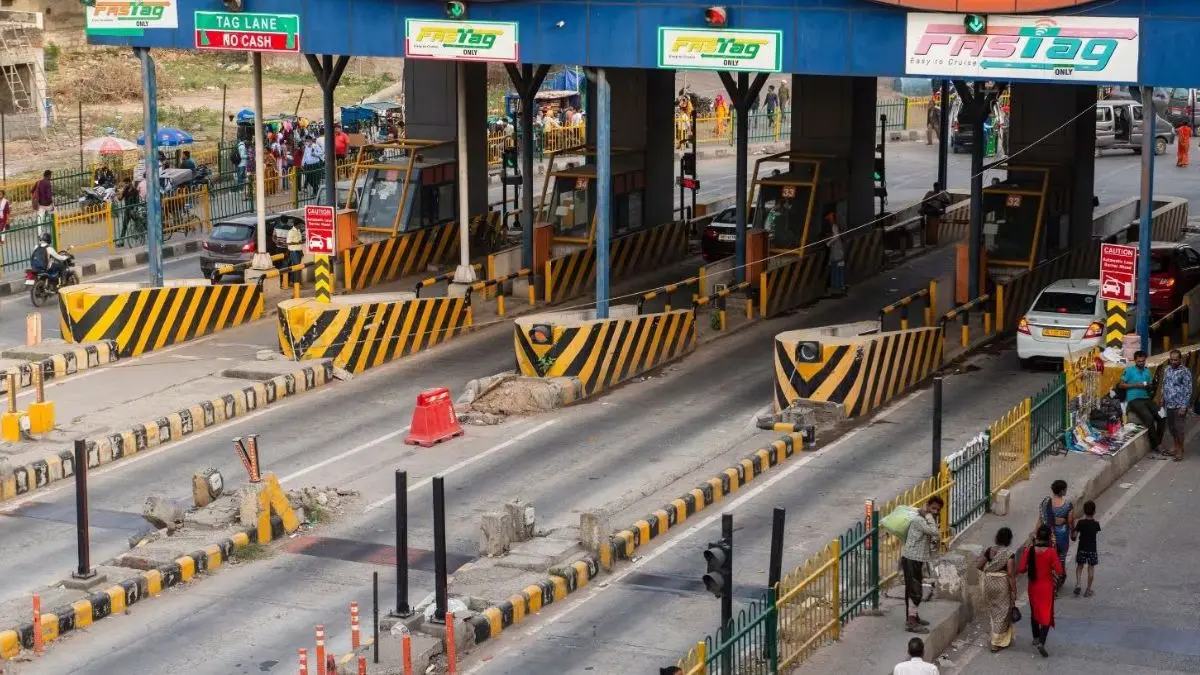
Highway Toll Cut During Expansion, Expressway Fees to Match National Highways
Highway commuters across India are set to receive major financial relief as the central government rolls out revised toll collection rules. The Finance Ministry has approved a proposal to halve toll charges during highway expansion work, especially on stretches being widened from two lanes to four lanes. The decision aims to address long-standing complaints from motorists who pay full tolls despite facing construction-related inconvenience.
Alongside this, the government has also decided to standardise toll rates on partially operational expressways, bringing them in line with regular National Highway charges and ending the practice of higher user fees.
Relief During Highway Expansion Work
When highways undergo widening, commuters often face reduced road width, traffic congestion, and longer travel times. Despite this, toll plazas usually continue to charge full rates. To address this imbalance, the Ministry of Road Transport and Highways proposed cutting toll fees by 50 percent during the construction phase.
The Finance Ministry has now cleared this proposal. Once implemented, commuters using stretches under active expansion will pay only half the usual toll until the work is completed. Officials believe this move fairly compensates users for the inconvenience they endure during construction.
Expressway Toll Rates to Be Standardised
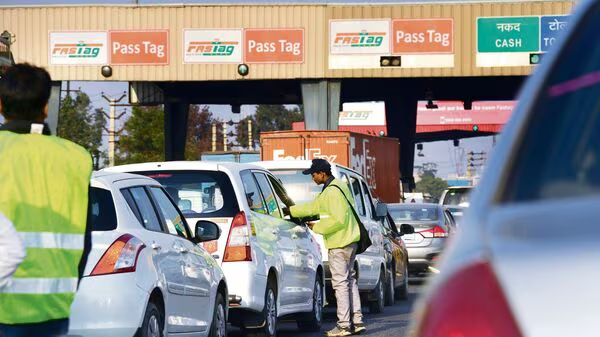
Another key change focuses on expressways that are only partially open to traffic. Until now, tolls on such expressways were often 1.25 times higher than those charged on National Highways. This applied to major routes such as the Delhi–Mumbai and Amritsar–Jamnagar expressways.
Under the revised policy, toll rates on partially opened expressways will now match standard National Highway user fees. This step removes the extra financial burden on motorists who were paying premium rates despite incomplete infrastructure.
Why the Policy Was Needed
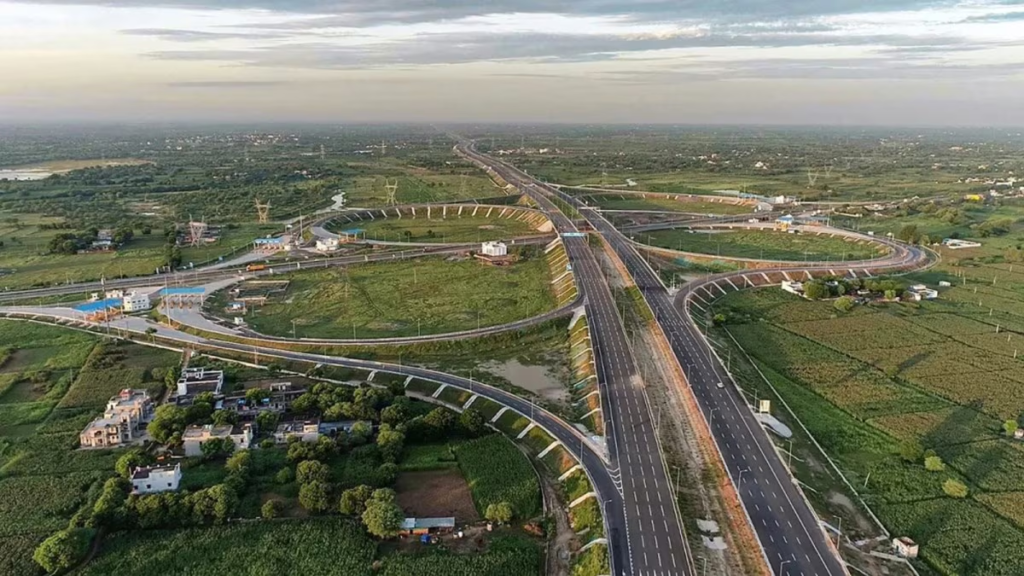
For years, highway users have raised concerns about paying full tolls while navigating narrow lanes, diversions, and construction zones. The government acknowledged that charging the same fee during reduced service conditions was unfair.
Officials said the new toll structure balances user convenience with infrastructure development needs. By lowering tolls during construction, authorities expect better public cooperation and reduced frustration among daily commuters and transport operators.
Revenue Impact and Long-Term Gains
The toll reduction will temporarily lower revenue for highway operators during construction periods. However, the government believes the short-term revenue loss will lead to long-term benefits.
Faster project completion, higher public satisfaction, and smoother traffic flow after completion could offset the reduced collections. Officials also expect fewer disputes and complaints at toll plazas once the revised rates come into effect.
Strict Action Against Project Delays
Along with toll reforms, the government has sent a clear warning to contractors. Authorities will impose strict penalties on contractors who miss project deadlines. The aim is to ensure that road widening and expressway construction finish on schedule.
Officials said toll concessions during construction should not become an excuse for delays. Contractors will remain fully accountable for timely completion, quality standards, and safety compliance.
What Commuters Can Expect Next
The revised toll rules will apply once notified and implemented across states. Toll plaza operators will update systems to reflect reduced rates during construction phases. Commuters on major expansion corridors are likely to see immediate savings.
Transport experts say the move signals a more commuter-friendly approach to infrastructure development. By linking toll charges to service quality, the government has taken a step toward fairer highway usage policies.